

Networking
Structured Cabling
We design, install, test and document copper and fibre structured cabling, cabinets and server room infrastructure for offices, branches and server rooms.
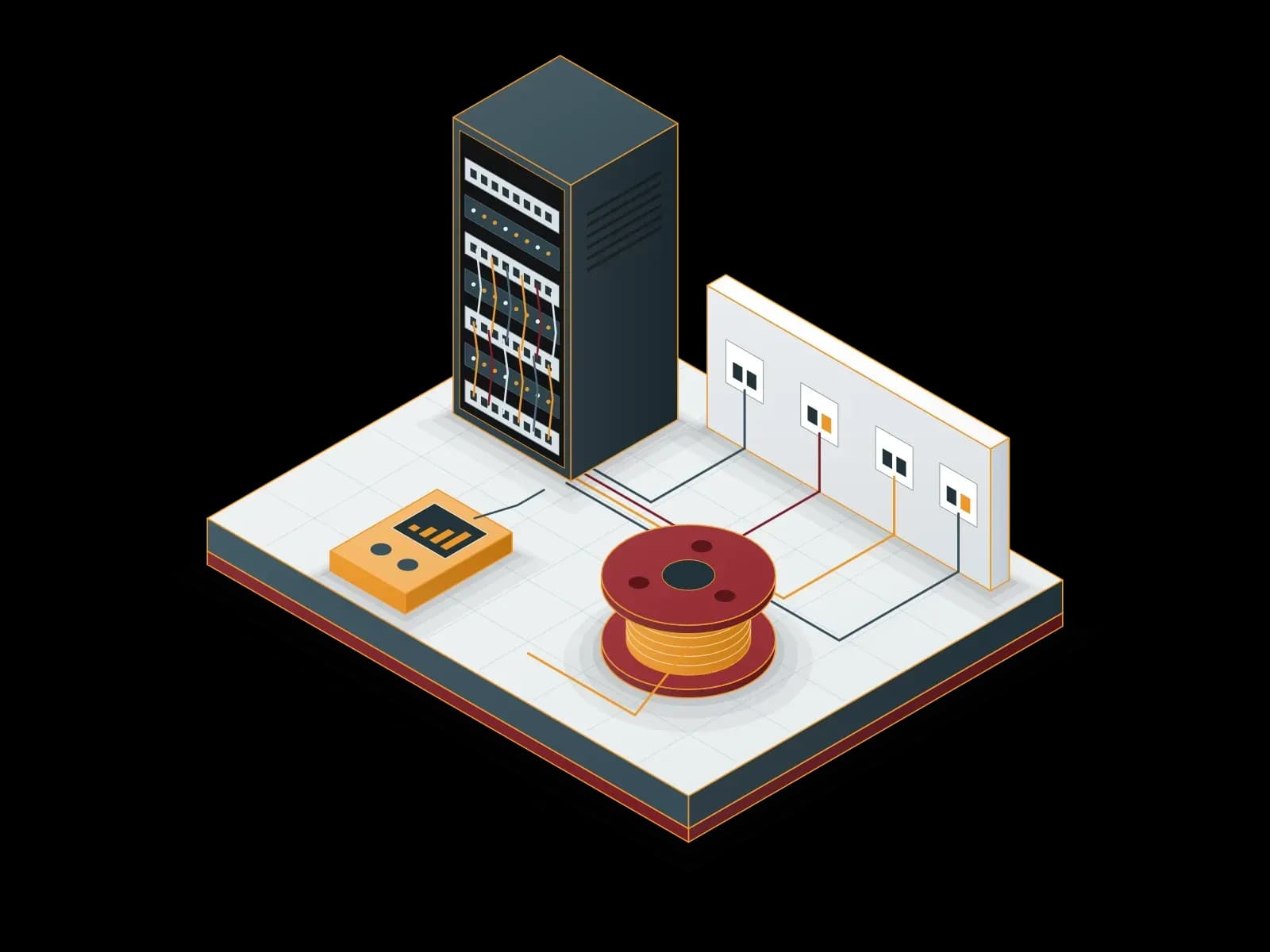
What is structured cabling?
Structured cabling brings the connections of computers, phones, cameras, wireless access points and servers in a building into one organized infrastructure. The cables follow a defined plan. Each line ends at a distribution panel and is labeled and documented. We apply the same approach in offices, branches, warehouses and production sites.
An organized cabling infrastructure makes network faults easier to find. To add a new user or device, you change a connection at the panel instead of pulling a new cable. This infrastructure is the common base of the wired and wireless network, IP telephony and security cameras.
Structured cabling with Synchron
We treat the cabling project as part of the network project. The team that pulls the cable also installs and runs the network devices. So you work with one contact for cabling, switches, firewall and wireless network.
- Site survey: We inspect the building on site and define the number of users and devices, the cable routes and the server room conditions.
- Design: We plan the copper and fiber lines, the distribution panels, the cabinet layout and room for growth.
- Installation: We lay the cables in ducts and trays, terminate the outlets and patch panels and organize the cabinets.
- Testing: After installation we test the lines. We fix faulty lines before handover.
- Labeling and documentation: We label each line at both ends, show it on the floor plan and hand over the line list.
- Ongoing operation: We can manage your network with our Wired and Wireless Network Management service.
Product families we use
We select cables, connectivity, cabinets and power distribution from the product families of the manufacturers below, based on the needs of the project. We consider the cable category, fibre type, cabinet size and power distribution needs together.
- Legrand: copper and fibre structured cabling with the LCS³ system. Pre-terminated copper and fibre modules, patch panels and 19-inch cabinets.
- CommScope: copper (Cat 6, Cat 6A) and fibre (OM4, OM5, single-mode) cabling with the SYSTIMAX and NETCONNECT portfolios. Automated infrastructure management with imVision.
- Canovate: a manufacturer based in Istanbul. Cabinets, fibre optic distribution panels, MTP/MPO modules, PDUs and data centre products.
- Estap: 19-inch rack cabinets and accessories for data communication equipment. A Legrand Group company since 2008.
- Lande: a cabinet manufacturer based in Istanbul. Wall-mount, free-standing, server and outdoor cabinets; smart and basic PDUs; horizontal and vertical cable organisers.
We install to the manufacturer installation rules and test every link before handover.
Server room and data centre infrastructure
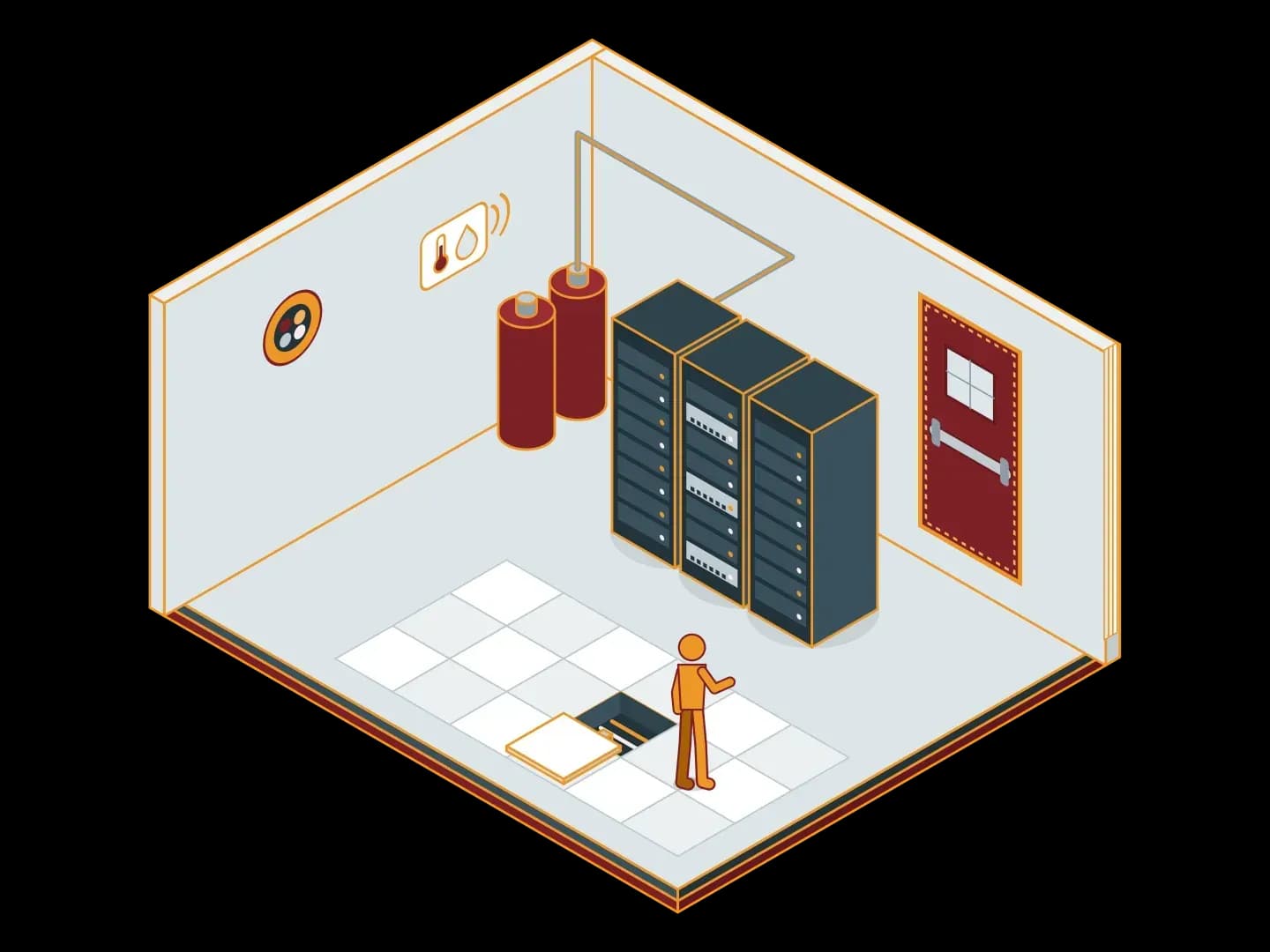
The server room is where servers, storage and the network backbone run. In this room we deal with fire, temperature, humidity, water, dust and unauthorised access as well as cabling. We plan the server room project together with the architecture, electrical and HVAC teams.
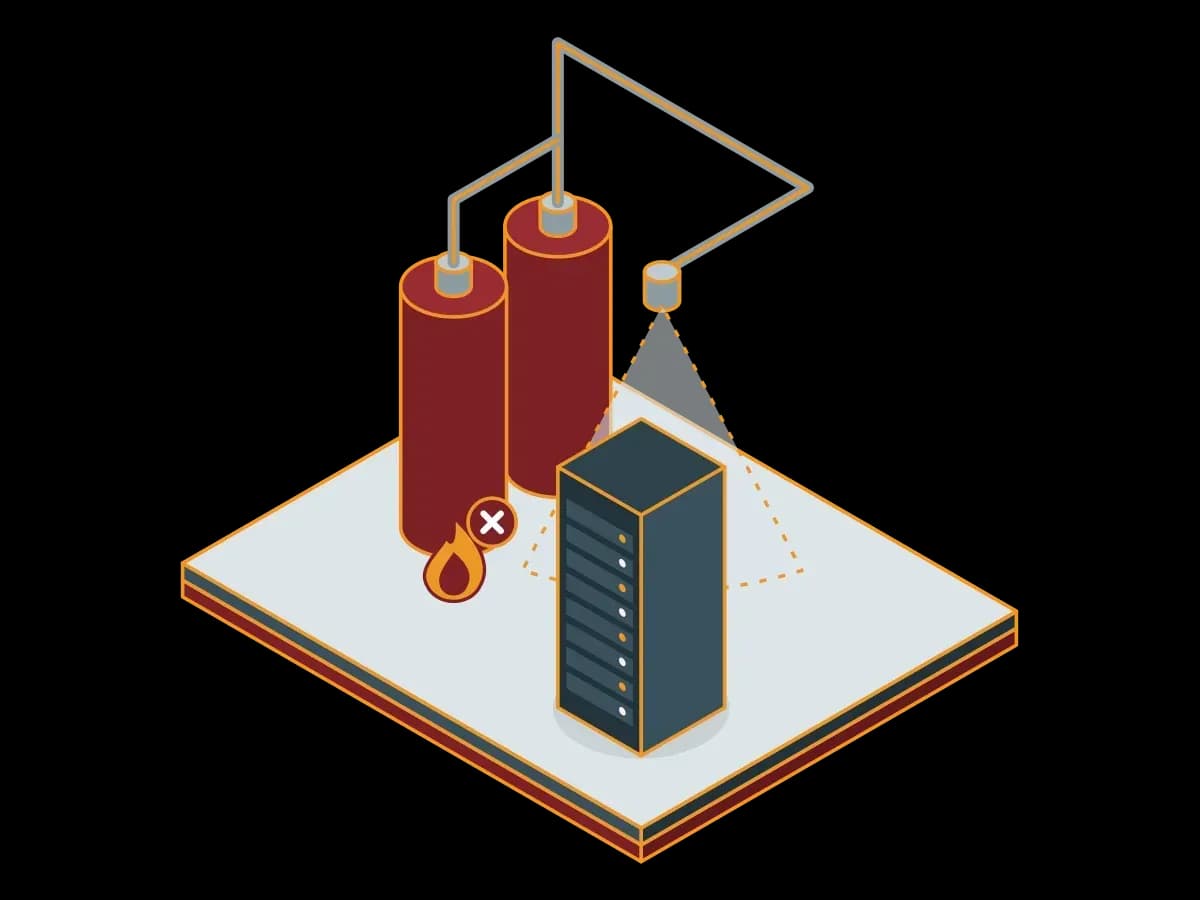
FM-200 gas suppression
FM-200 is the trade name of the HFC-227ea extinguishing agent. Systems that use this agent are designed to NFPA 2001 and ISO 14520-9. We plan gas suppression as part of the server room project and coordinate it with authorised companies: detection, alarm, evacuation and room sealing are handled together.
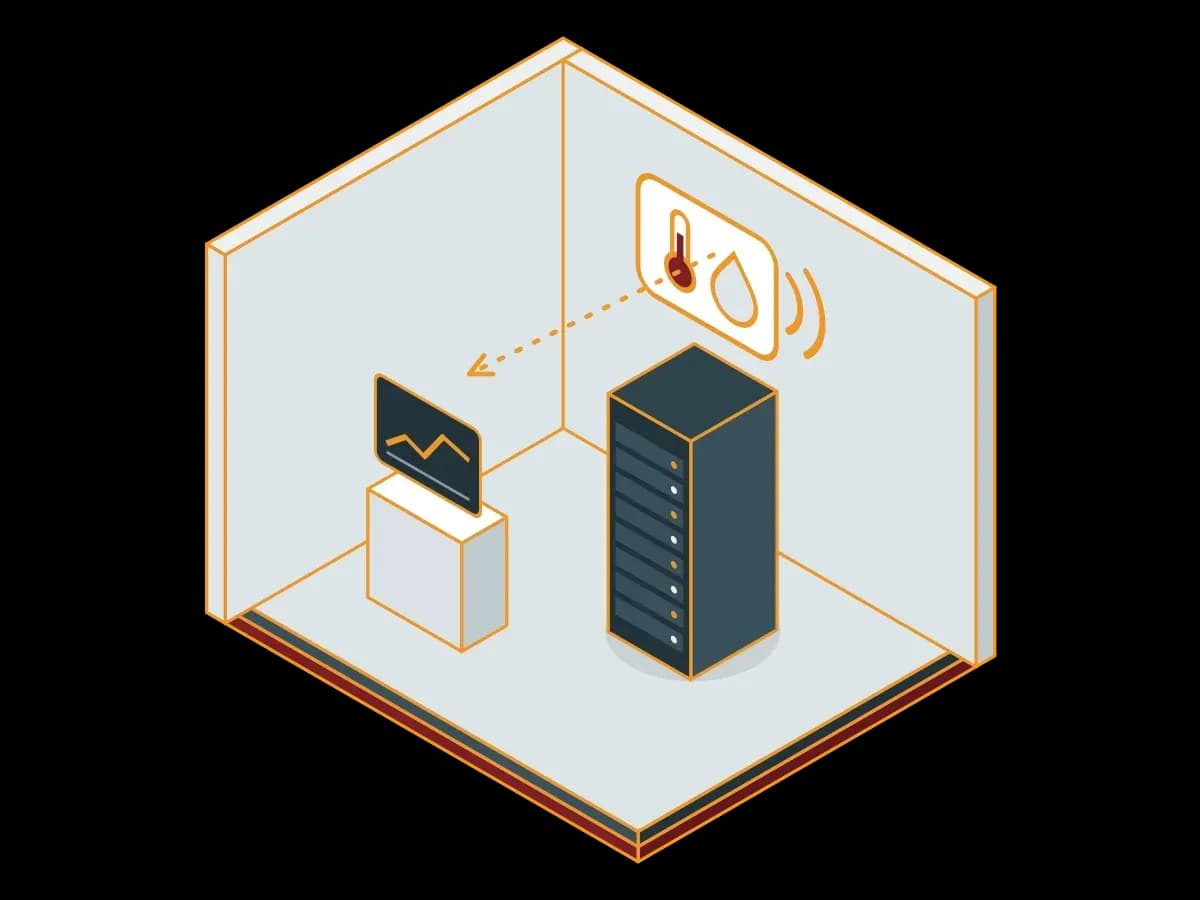
Temperature and humidity sensors
We place temperature and humidity sensors in the room and in the cabinets. We connect them to the monitoring system and raise an alarm when a threshold is exceeded. We set the thresholds with reference to the ASHRAE TC 9.9 thermal guidelines for data centres and the operating conditions of the equipment manufacturer.
Monitoring serviceSealing
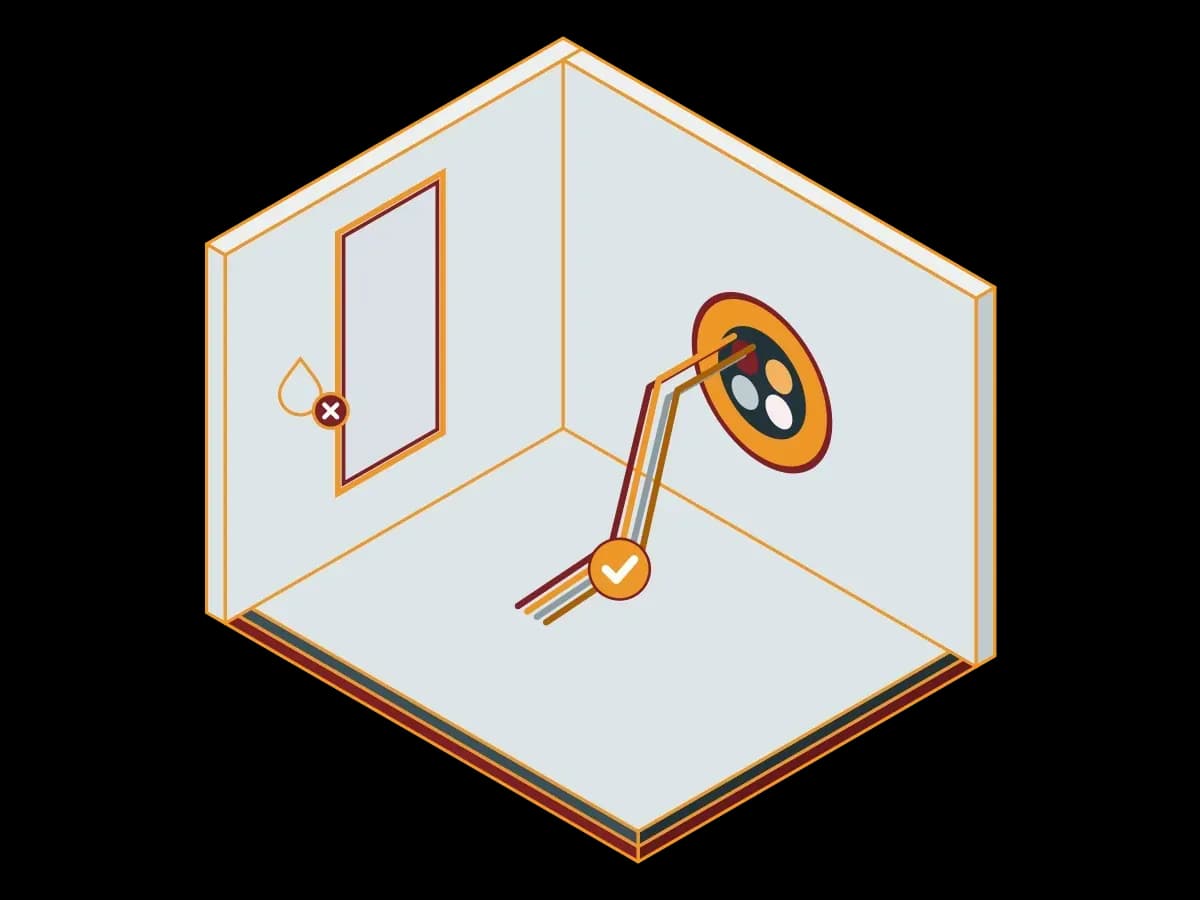
We close cable penetrations and wall and floor openings with fire-resistant material. Room sealing is part of the gas suppression design. A sealed room also lets in less dust and moisture.
Raised floor, fire-rated gypsum board and paint
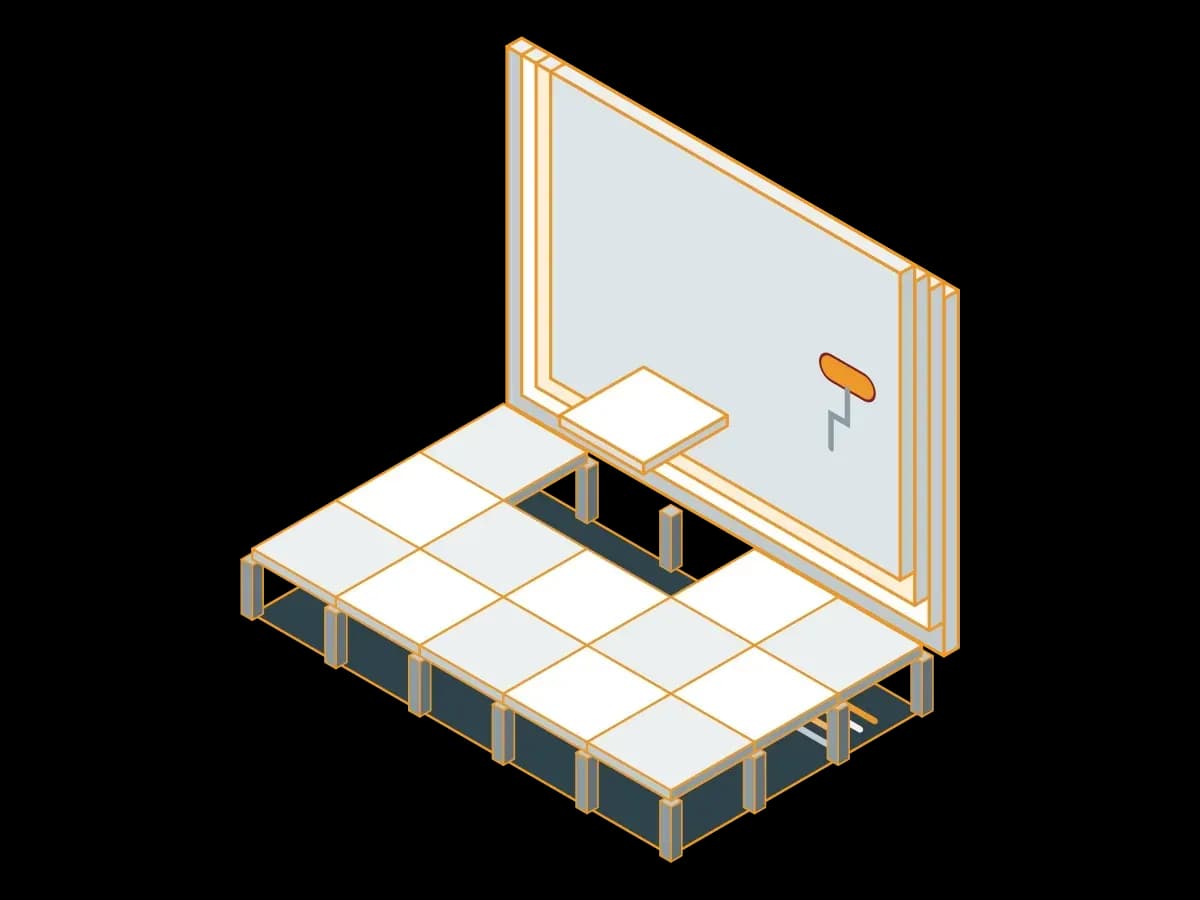
A raised floor gives an organised space under the floor for cables and air conditioning. We use fire-rated gypsum board on walls and ceilings and cleanable paint on surfaces. We select the materials to the building fire regulations and the project requirements. We plan the floor, gypsum board and paint work and coordinate it with authorised companies.
Fire door with seals and panic bar
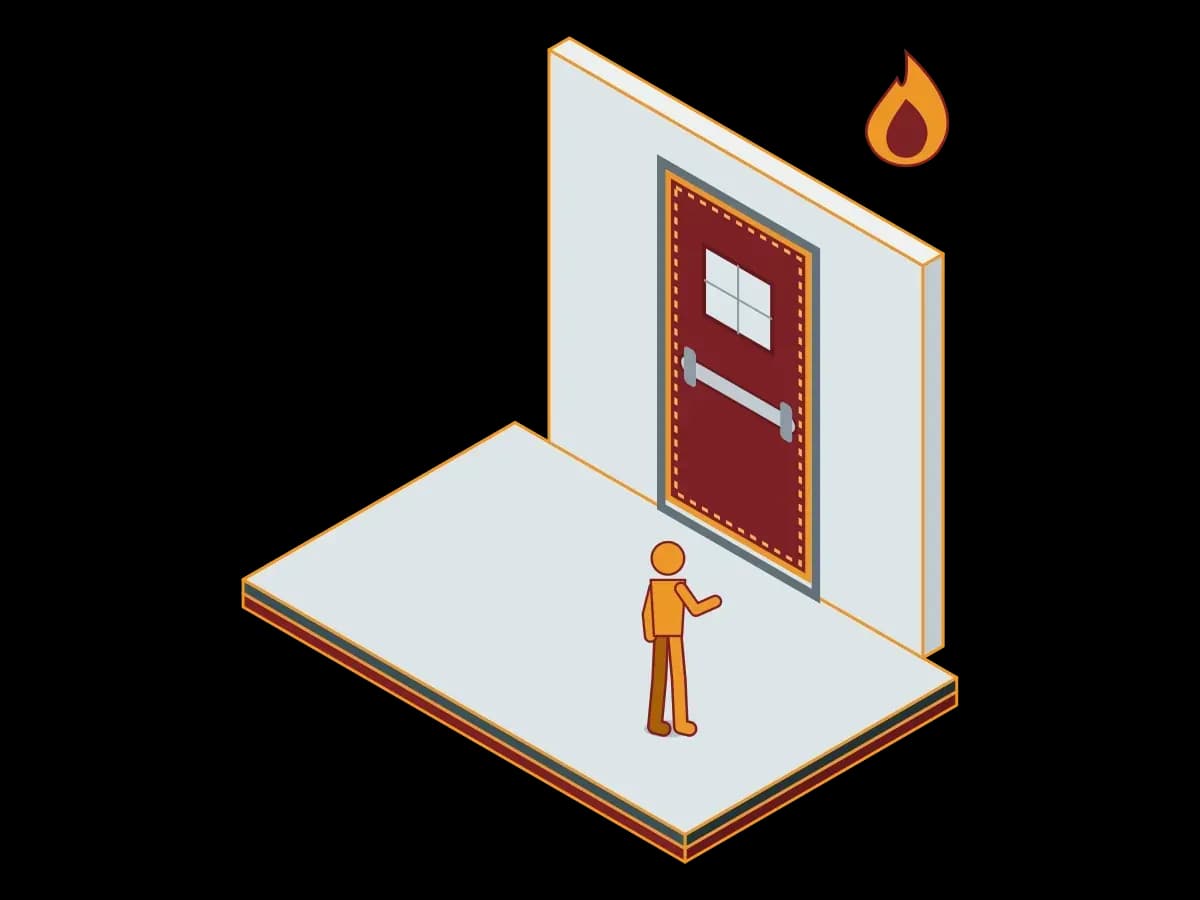
At the server room entrance we use a fire door with smoke and dust seals and a panic bar. The fire resistance of the door refers to EN 1634-1 and the panic bar to EN 1125. We plan the door so that only authorised persons can open it, and we coordinate its installation with authorised companies.
Access control and logging
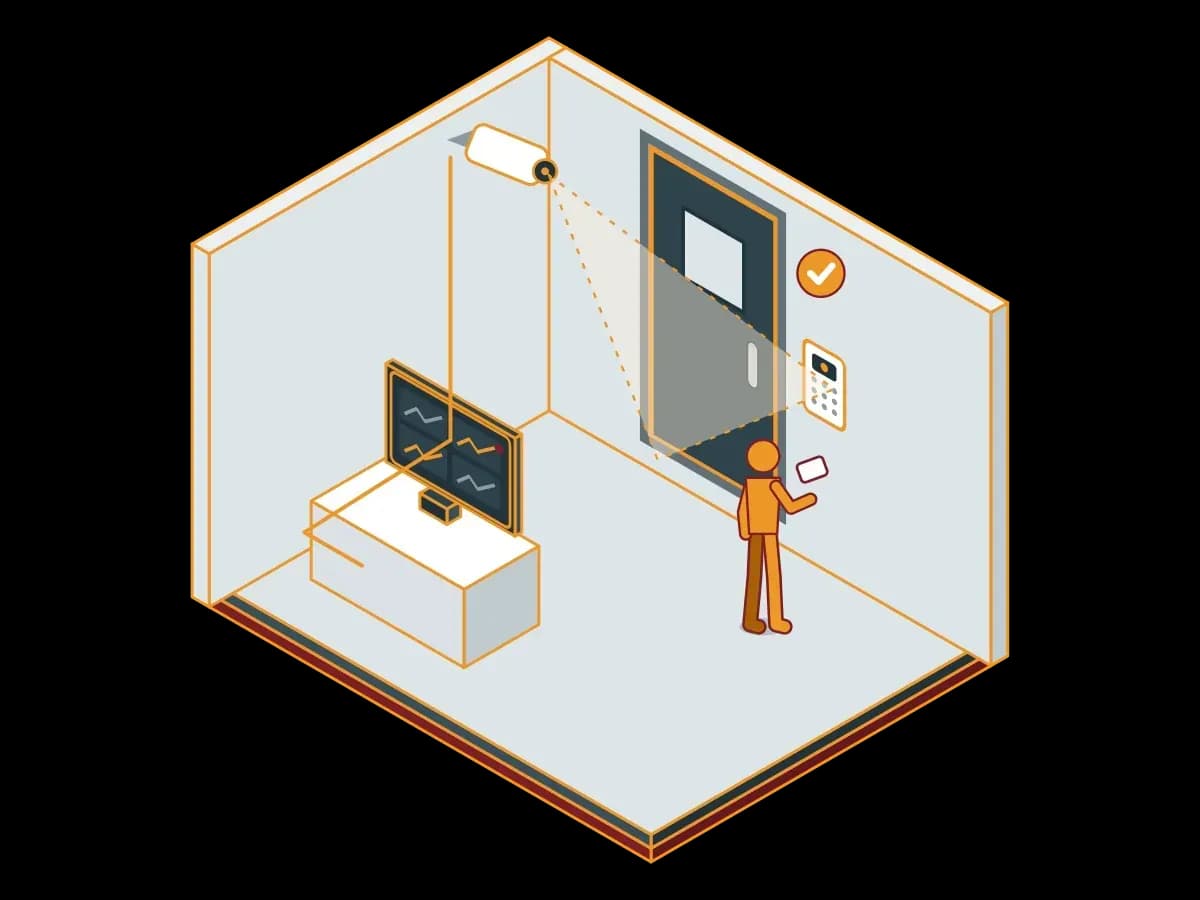
With card access, cameras and entry logs we record who entered the server room and when. Auditors accept these records as evidence of physical security.


How it relates to ISO/IEC 27001 and OECD GLP
Physical infrastructure is an area that information security and quality audits examine. We map the server room work to the requirements below and add the evidence documents to the handover package.
- ISO/IEC 27001:2022 Annex A, physical controls: the standard defines controls for physical and environmental security. The server room design, access logs and monitoring logs show that these controls are in place.
- OECD Principles of Good Laboratory Practice (GLP): the test facility should be of suitable size, construction and location to minimise disturbances that would interfere with the validity of the study (section 3.1). Archive facilities should provide secure storage and retrieval of records (section 3.4).
- OECD GLP Principles, computerised systems: apparatus and computerised systems should be suitably located (section 4.1). Records of environmental monitoring are archived, and only authorised personnel enter the archive (sections 10.1 and 10.3). Temperature, humidity and access logs support this evidence.
The certification body or the competent inspection authority makes the certification and inspection decision. We build the infrastructure to these requirements and prepare the evidence documents. For the management system and validation side, see our Information Security Consulting page.
Project types
- New office: Have all cabling, cabinets and network devices ready before the move.
- Office renovation and expansion: Document the current infrastructure, tidy messy cabling and add new lines.
- Server room clean-up: Rebuild the cable layout, power distribution and labeling inside the cabinets.
- In-building and campus fiber: Build the backbone between floors or buildings with fiber.
- Wireless and camera infrastructure: Plan PoE lines for access points and IP cameras.
Our process
- On-site survey: We inspect your needs and the building on site.
- Quote and plan: We prepare the line list, the bill of materials and the work plan.
- Installation: We work at the hours that affect your operations least.
- Testing and fixes: We test the lines and fix the issues.
- Handover: We hand over the labeled infrastructure, the floor plan and the line list.
What we consider in the design
- Routes: We run data cables on routes separate from power lines and keep cable ducts accessible.
- Room for growth: We leave spare capacity in panels and cabinets for new users and devices.
- Cabinet conditions: We plan cabinet ventilation, power distribution and cable layout together.
- PoE needs: We calculate the power needed for access points, IP phones and cameras from the start.
- Wireless coverage: We place access points based on the floor plan and the wall structure.
- Labeling scheme: We use one labeling scheme in the whole building and match it to the line list.
Coordination with the building and other contractors
Cabling work often runs at the same time as renovation, electrical and furniture work. So we prepare our work plan together with the building management, the electrical contractor and the architects. We fix cable routes, outlet positions and the cabinet location on the renovation drawings. If you have a move date, we plan cabling, network device installation and testing to finish before that date.
What the handover includes
When the work is done, we hand over not only a working infrastructure but also the documents you need to manage it. The handover package includes labeled lines, an up-to-date floor plan, the line list, the cabinet layout drawing and the test results. These documents make later changes and fault finding easier for your team and ours.
Why organized cabling?
Cabling is the longest-living part of the network. Network devices change, but the cabling usually stays. In an undocumented and unlabeled infrastructure, even a simple fault needs a long search. An organized and documented infrastructure shortens outages, makes changes easier and simplifies the move to new technologies.
In cabling projects we also take the network design into account. So the cabling plan fits the switch capacity, the wireless coverage and the firewall layout. For network security, see our Firewall Management page.
For your cabling project, write to us through the contact form. We schedule a date for the site survey.
Technologies we use
 Legrand
 CommScope
 Canovate
 Estap
Estap
Frequently asked questions
How does a structured cabling project start?
It starts with an on-site survey. We check the number of users and devices, the cable routes and the server room conditions. After the survey we prepare a quote with the line list, the bill of materials and the work plan.
Should we use copper or fiber?
Desktop, phone and access point connections usually use copper cable. The backbone between floors and buildings and long distances usually use fiber. We choose with you based on distance, speed needs and growth plans.
Will our working hours be affected?
We plan the work to affect your operations as little as possible. We can move noisy work and work that needs an outage outside business hours or to the weekend. We share the plan with you in advance.
Which documents do you hand over after installation?
We hand over the labels of each line at both ends, its position on the floor plan and the line list. We add the test results to these documents. So you can trace your infrastructure easily for later changes.
Can you tidy our existing messy cabling?
Yes. First we identify and document the existing lines. Then we rebuild the cabinet layout, remove unused cables and add missing lines. We work section by section to limit downtime.
Do you also install the network devices after the cabling?
Yes. We install and configure switches, firewalls and wireless access points. If you choose, we continue to run your network with our Wired and Wireless Network Management service.
Which infrastructure work do you do for server rooms?
In addition to cabling and cabinet layout, we plan gas suppression, temperature and humidity monitoring, sealing of cable penetrations, raised floors, fire-rated gypsum board and fire doors. We carry out the work together with the architecture, electrical and HVAC teams.
What is FM-200?
FM-200 is the trade name of the HFC-227ea extinguishing agent. Systems that use this agent are designed to NFPA 2001 and ISO 14520-9. In the design we consider room volume, sealing, detection and alarms together.
How is a server room assessed in an ISO/IEC 27001 audit?
ISO/IEC 27001:2022 Annex A includes controls for physical and environmental security. We build the infrastructure to these controls and prepare the evidence documents. The accredited certification body makes the certification decision.
Related services
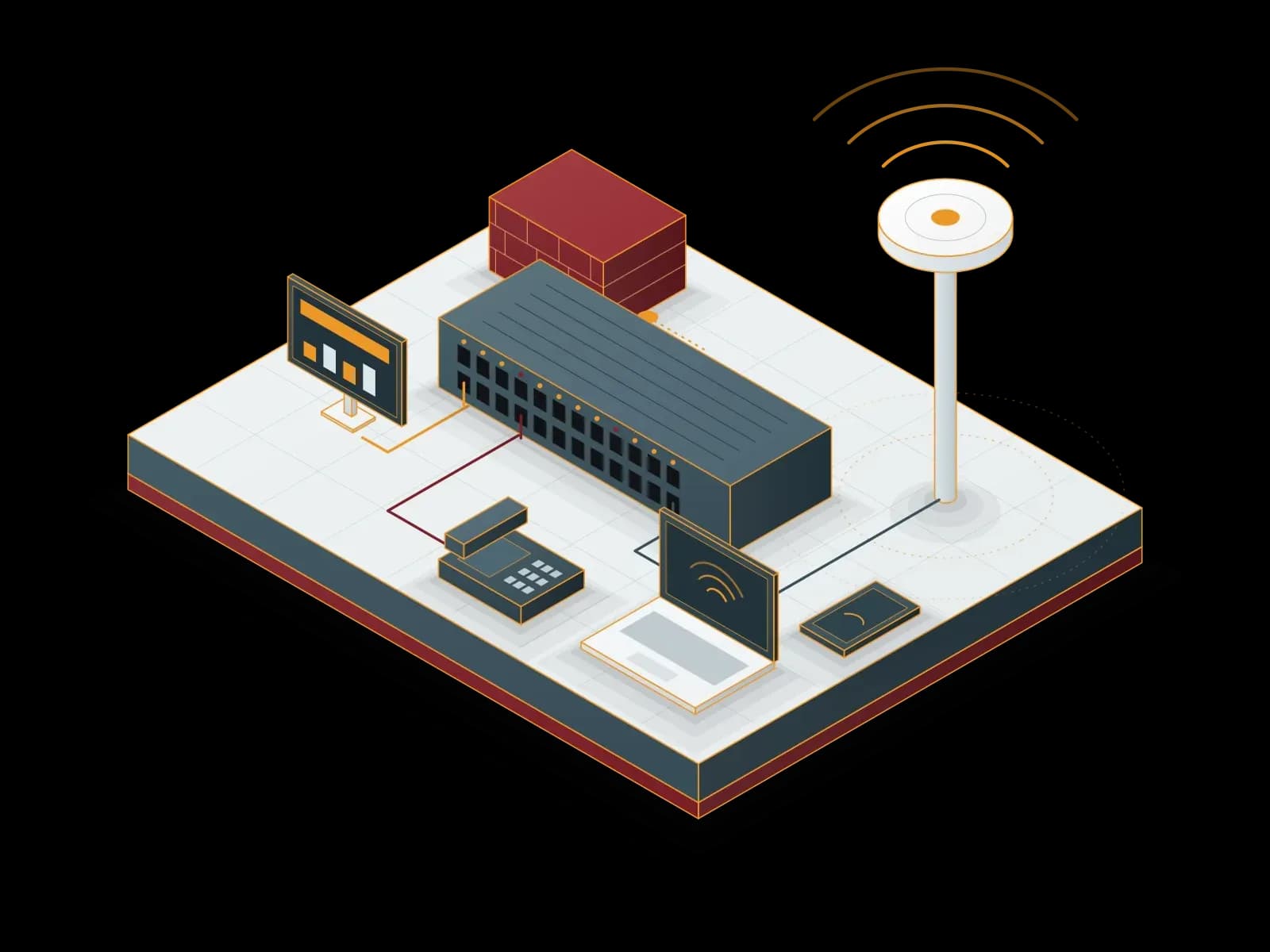
Wired and Wireless Network Management
We design, install and operate your wired and wireless network. We handle switch, access point and firewall configuration, monitoring and troubleshooting.
Field Support Services
We provide on-site and remote support for user, computer, server and network issues. Our support line is available 24/7.
Firewall Management
We install your firewall, write its rule set and run it day to day. We work with FortiGate, Palo Alto Networks and MikroTik devices.
Let's discuss your project
Tell us what you need and we will match you with the right team. For urgent issues, call our support line.