Knowledge
What Is XaaS? Technologies Delivered as a Service in the Cloud Era
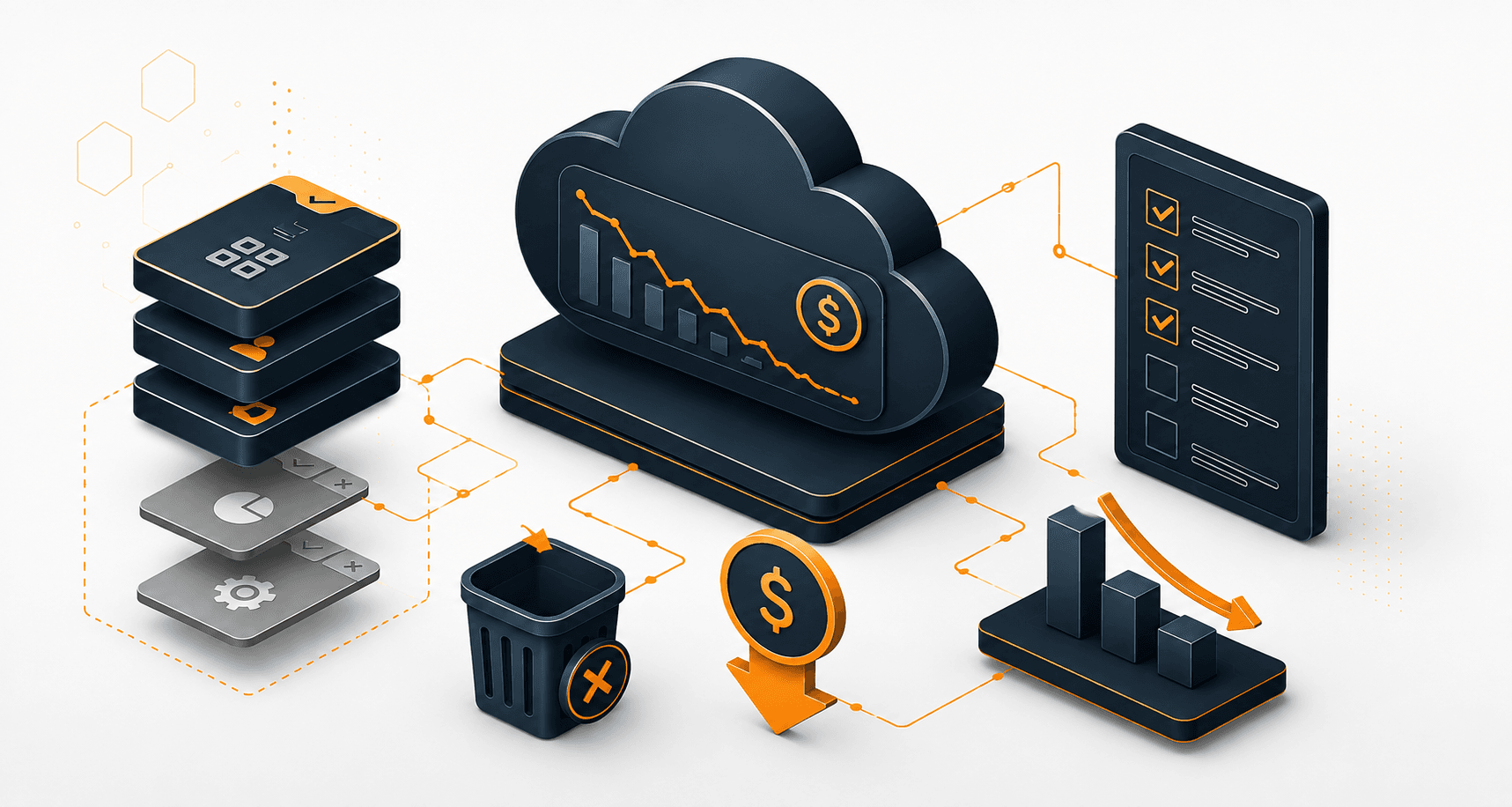
What is XaaS? The XaaS model gives organizations significant flexibility and cost advantages, and turns capital expenditure into operating expense for easier budgeting.
There was a time when you had to buy, install, license and maintain software before you could use it. Servers filled data centers, IT teams spent their days on updates and maintenance, and budgets kept growing with hardware costs.
Today, the picture has changed significantly. Email systems, project management tools, accounting software and even databases are now mostly used as cloud services with a monthly subscription.
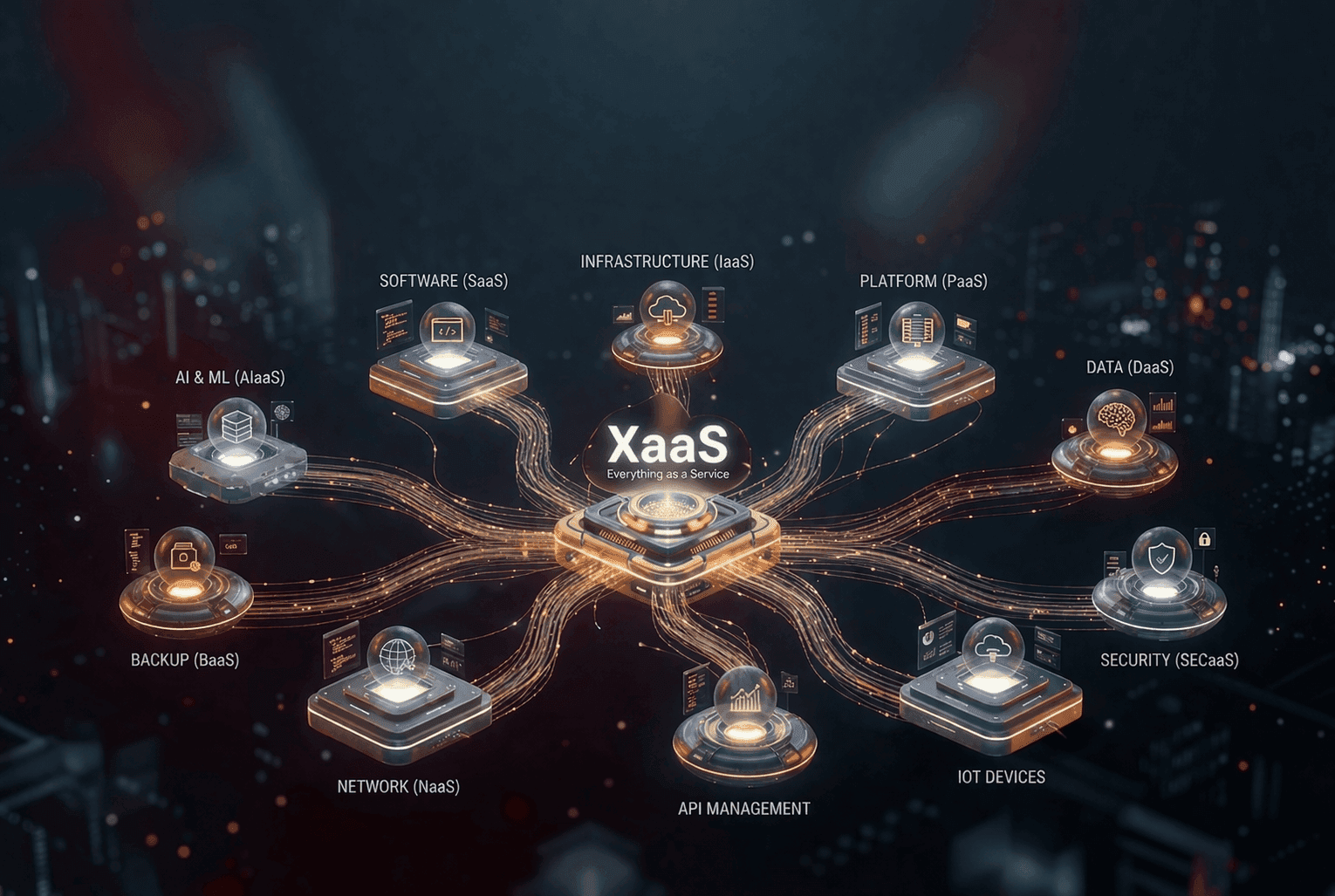
The name of this transformation is XaaS: Everything as a Service, in other words everything delivered as a service. It is one of the most fundamental changes the IT world has seen in the last 15 years.
In this article, you will learn what the XaaS concept means and how it relates to cloud computing. We will also look at the differences between the core service models IaaS, PaaS and SaaS, and at more specialized models such as DaaS, DBaaS, SECaaS, NaaS, AIaaS and STaaS. We will also cover which model suits which type of company and what to consider when moving to XaaS.
What Is XaaS?
XaaS means that software and technology infrastructure is delivered as a service over the internet on a subscription model, instead of being bought and installed in-house. The "X"represents different technology components, from infrastructure and platforms to software, networks, AI and storage.
The model has three core characteristics: you use and pay for only what you need, it replaces large up-front investments with predictable operating costs, and processes such as maintenance, updates and security are largely managed by the service provider.
XaaS is not a single product but a comprehensive service approach. Today, this approach includes many service models for different needs.
The Core Three: IaaS, PaaS and SaaS
The XaaS ecosystem is built on three main service models: IaaS, PaaS and SaaS. These models determine which layers the service provider manages and how much control the user has.
IaaS – Infrastructure as a Service
IaaS gives you internet access to computing resources such as servers, networking and storage without investing in physical hardware. In this model, the service provider delivers and manages the infrastructure. The user keeps control of the operating system, applications and data.
PaaS – Platform as a Service
PaaSgives developers a ready-made environment for application development and deployment. The service provider manages the servers, operating system, runtime and middleware components. This lets developers focus directly on building applications without dealing with infrastructure management.
SaaS – Software as a Service
SaaS delivers fully functional software to users over the internet, usually through a browser or an app. The service provider manages processes such as installation, updates, backup and security. Users can start using the software quickly and do not have to deal with technical maintenance.
Specialized XaaS Models
As the cloud ecosystem evolved, the core models IaaS, PaaS and SaaS alone were no longer enough for many organizations. As a result, specialized XaaS models emerged to meet more specific needs. Some of the most common are:
DaaS – Desktop as a Service
DaaS gives employees access to their desktop environments, including the operating system, applications and files, through the cloud. Users can reach the same working environment from different devices.
DBaaS – Database as a Service
DBaaS is a model in which the service provider manages database installation, configuration, backup and scaling. This lets teams focus on using data effectively instead of on maintenance operations.
SECaaS – Security as a Service
SECaaS delivers cybersecurity services such as firewalls, SIEM and threat monitoring on a subscription model. Organizations therefore do not have to manage the entire security workload with their own internal resources.
NaaS – Network as a Service
NaaS means network infrastructure delivered as a service. Instead of routers, switches and connectivity hardware, organizations use more flexible, cloud-based network services. SD-WAN and SASE are common examples of this approach.
AIaaS – AI as a Service
AIaaS delivers AI capabilities such as machine learning, natural language processing, image recognition and predictive analytics as a service. Organizations can access these technologies without building their own models from scratch.
STaaS – Storage as a Service
STaaS delivers storage infrastructure as a service through the cloud. Organizations can flexibly increase or decrease the storage capacity they need.
The Advantages and Risks of XaaS
The XaaS model gives organizations significant flexibility and cost advantages. It turns capital expenditure into operating expense, which makes budget planning easier, allows fast scaling as needs change and leaves updates and maintenance largely to the service provider. As a result, even small teams can access enterprise-grade technology, and disaster recovery and business continuity solutions become more accessible.
However, there are also risks to consider. Dependence on a service provider can make it hard to switch providers. You must know clearly in which country and on which infrastructure your data is stored. The model also requires a reliable internet connection. Costs that look low at first can increase with data egress fees, additional support packages and extra modules. For compliance, it is important to define responsibilities clearly under KVKK (Turkey's Personal Data Protection Law), the GDPR and sector-specific regulations.
Plan Your Cloud Transformation Correctly with Synchron Bilişim
When planned correctly, XaaS models give businesses significant agility, cost advantages and technological flexibility. However, every migration brings its own needs, risks and technical complexities. For a successful transformation, the right architecture, security and compliance planning matters as much as the choice of technology.
At Synchron Bilişim , we provide end-to-end consulting for cloud migration. We plan the entire process with you, from analyzing your current IT infrastructure and assessing XaaS readiness to designing a hybrid and multi-cloud architecture for your organization and integrating IaaS, PaaS, SaaS, DaaS and other service models. We also support your business with compliance audits for KVKK and data sovereignty requirements, post-migration monitoring, optimization and managed services.
About the author
Synchron