

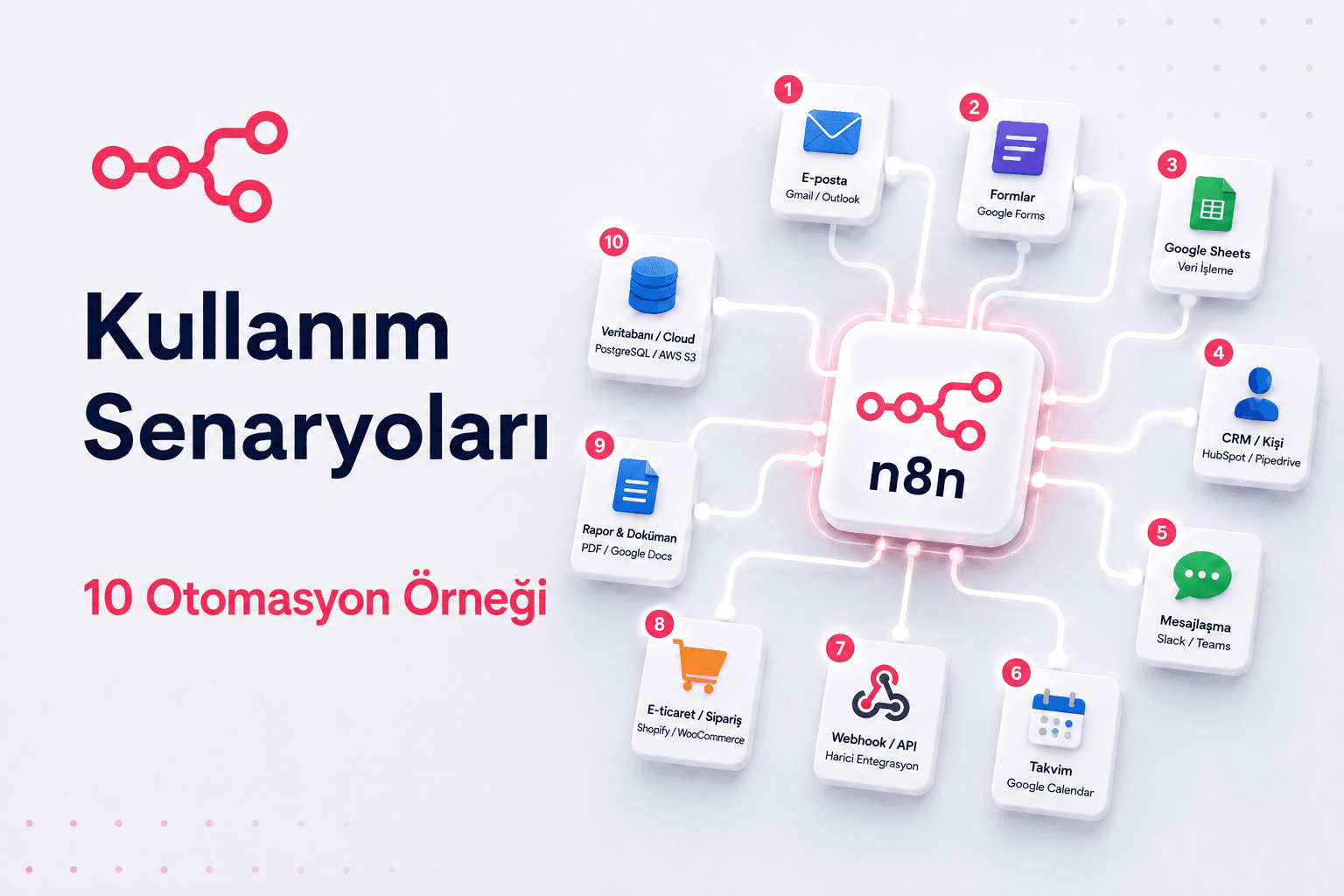
n8n Use Cases: 10 Automation Examples
Which business processes can you automate with n8n? Discover the power of n8n through 10 real-world scenarios, from sales and accounting to customer service and HR.
Posts by this author
Which business processes can you automate with n8n? Discover the power of n8n through 10 real-world scenarios, from sales and accounting to customer service and HR.
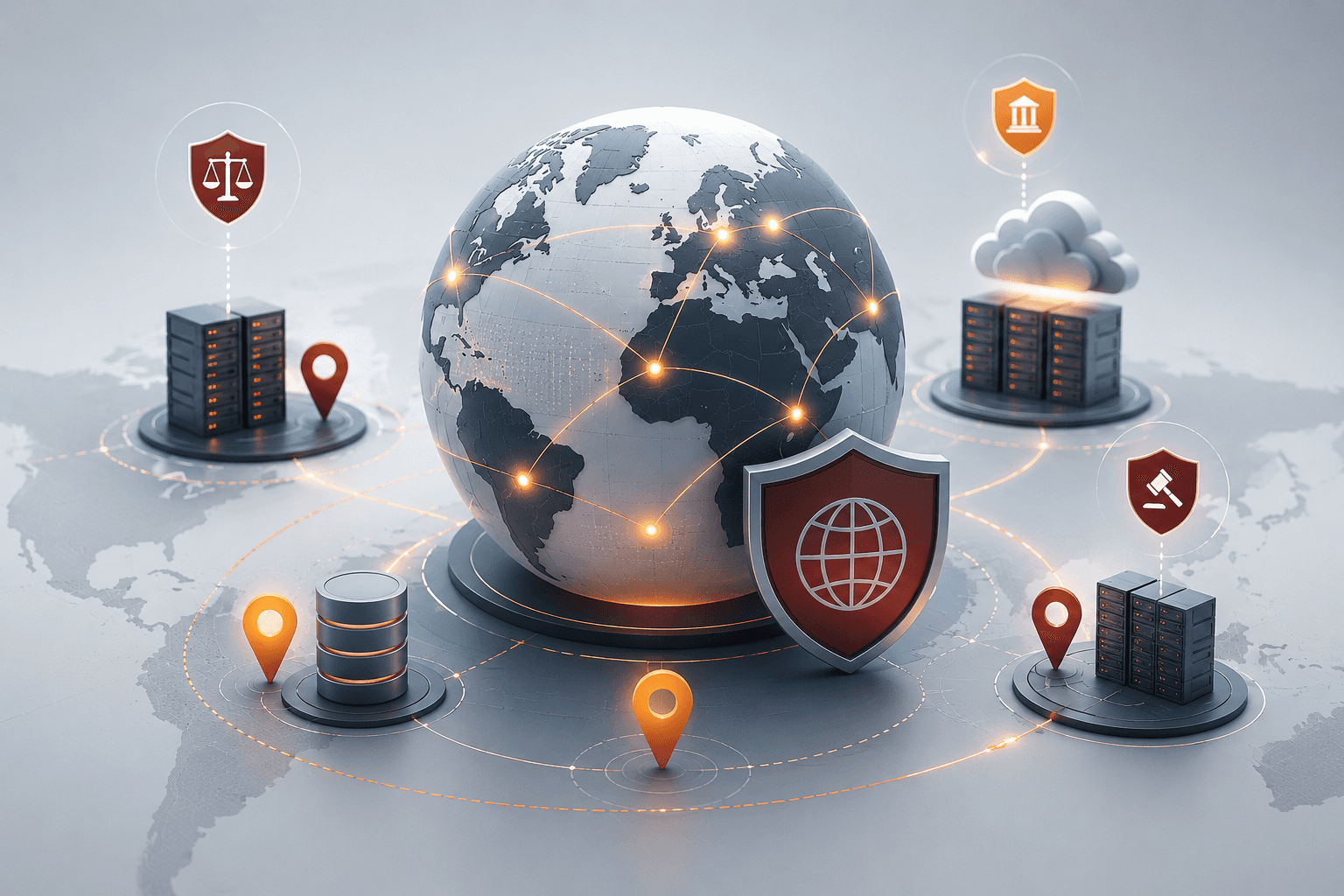
Do you know which country your data is stored in? Synchron Bilişim explains what data sovereignty is, why it matters and what it means for companies in Turkey.

Which cyber threats will SMEs face in 2026? From ransomware to phishing, the Synchron Bilişim expert team explains step by step which measures you need to take.
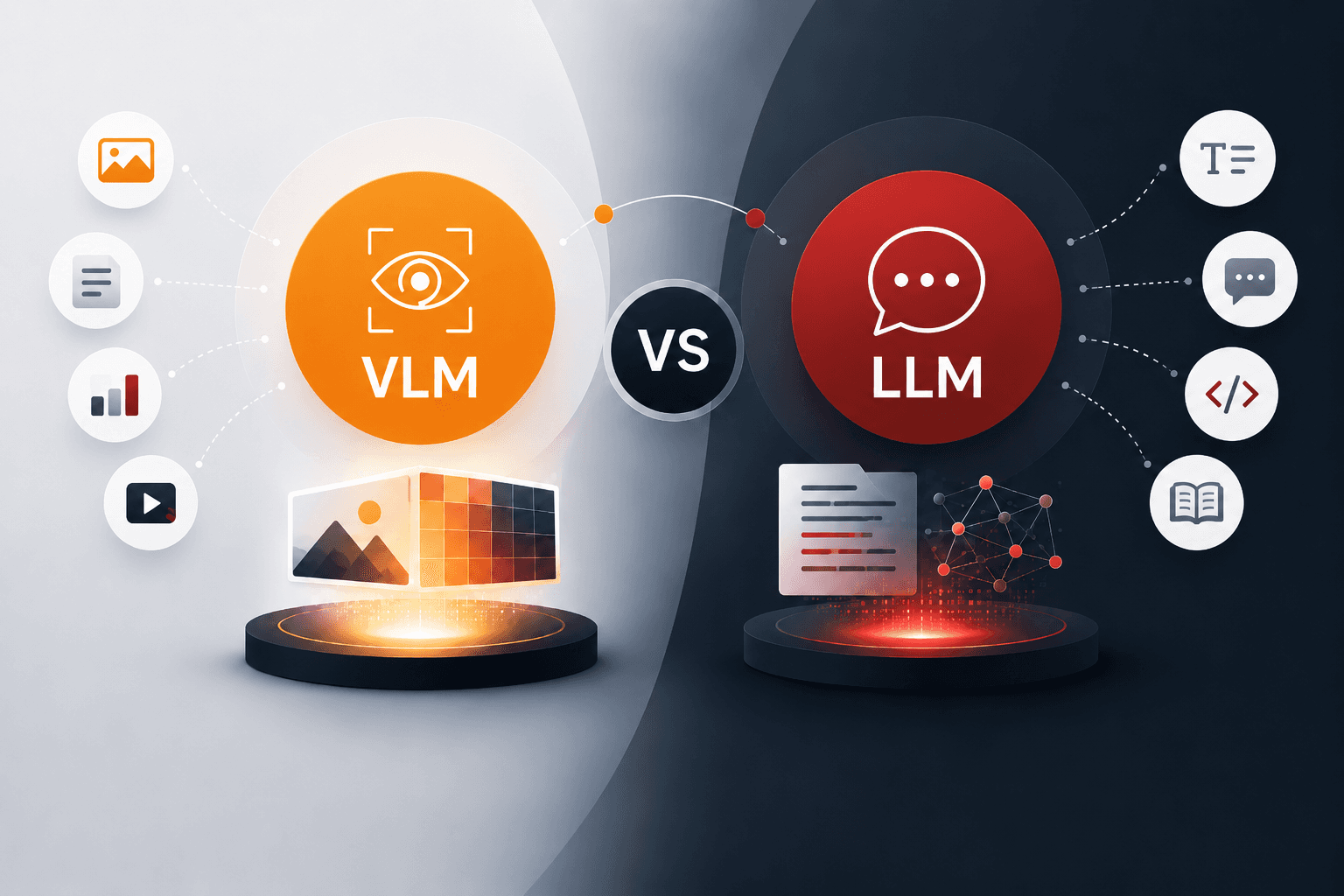
Wondering about the difference between LLMs and VLMs? Synchron Bilişim explains which model to use when and how each one helps in AI automation workflows.
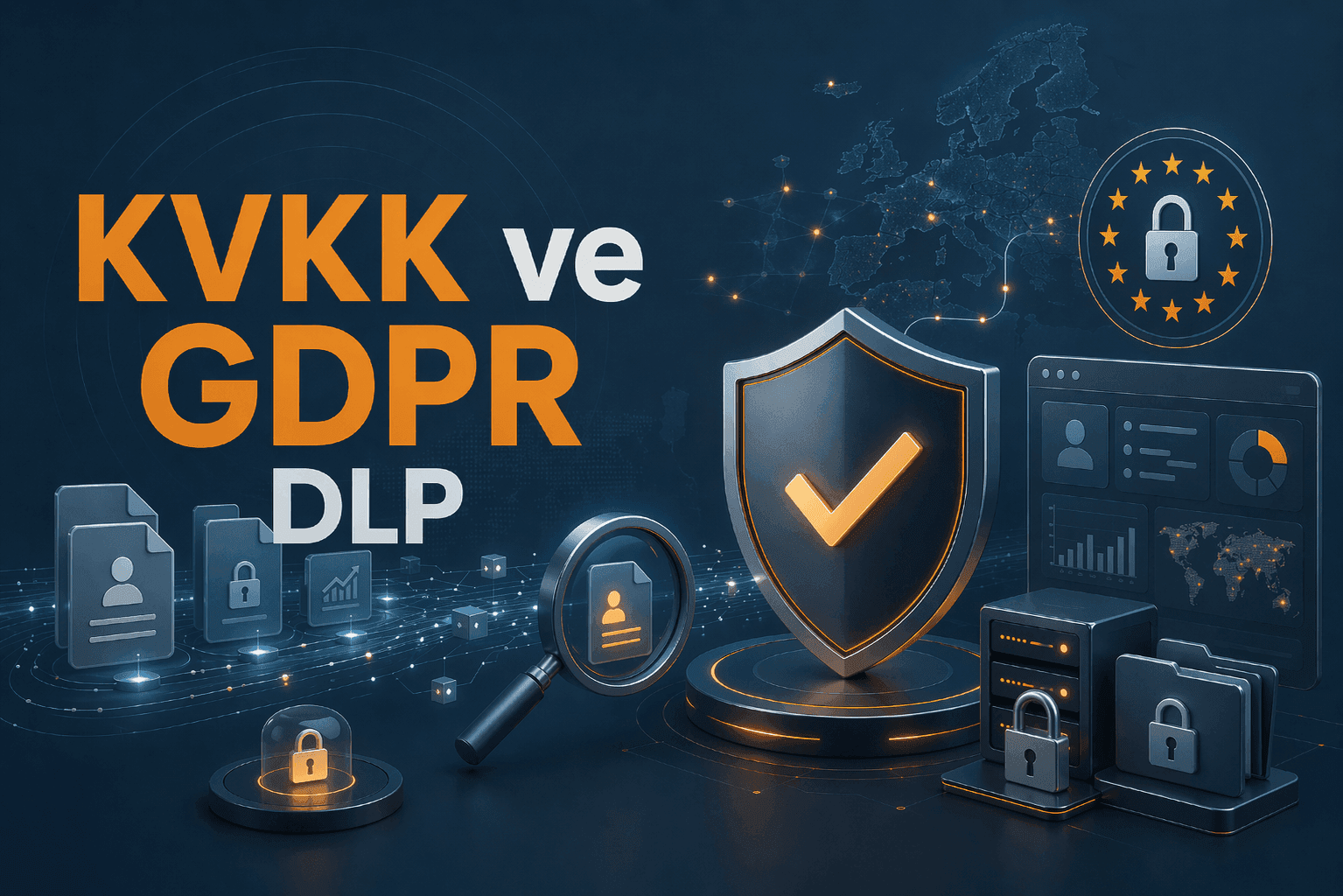
DLP (Data Loss Prevention) helps prevent sensitive data inside an organization from being shared without control, taken outside or reaching the wrong people.

Moving email servers to the cloud is often seen as simply replacing old servers with a new platform. In reality, it is a much broader transformation for organizations.
Put simply, Shadow AI is the use of AI tools that are not officially approved within an organization by employees in their business processes, outside IT oversight.
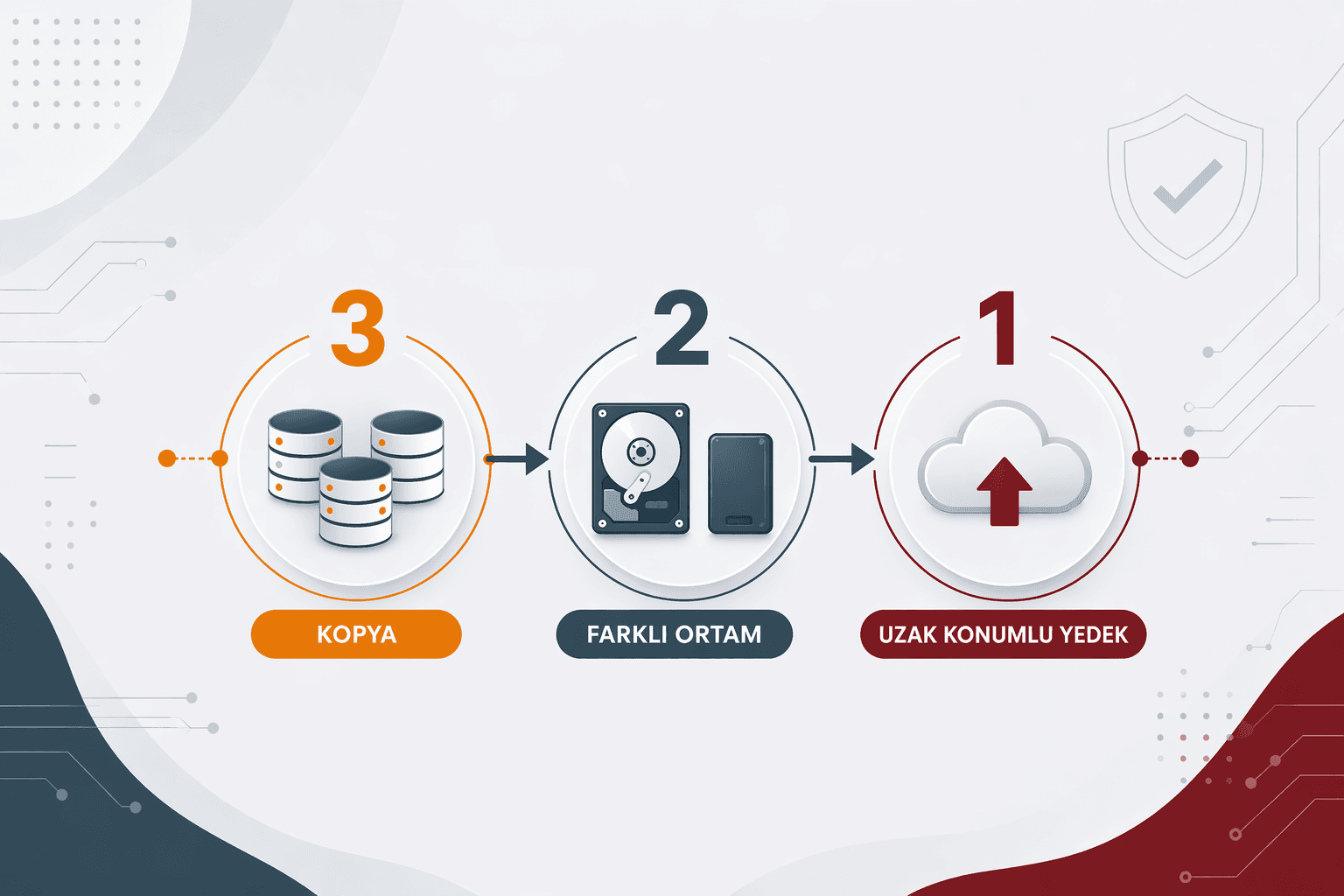
The 3-2-1 rule is one of the most fundamental and widely accepted backup approaches worldwide for minimizing the risk of data loss. Here is how it works and why it matters.

However widespread instant messaging, project management platforms and video conferencing tools become, email remains at the center of business communication.
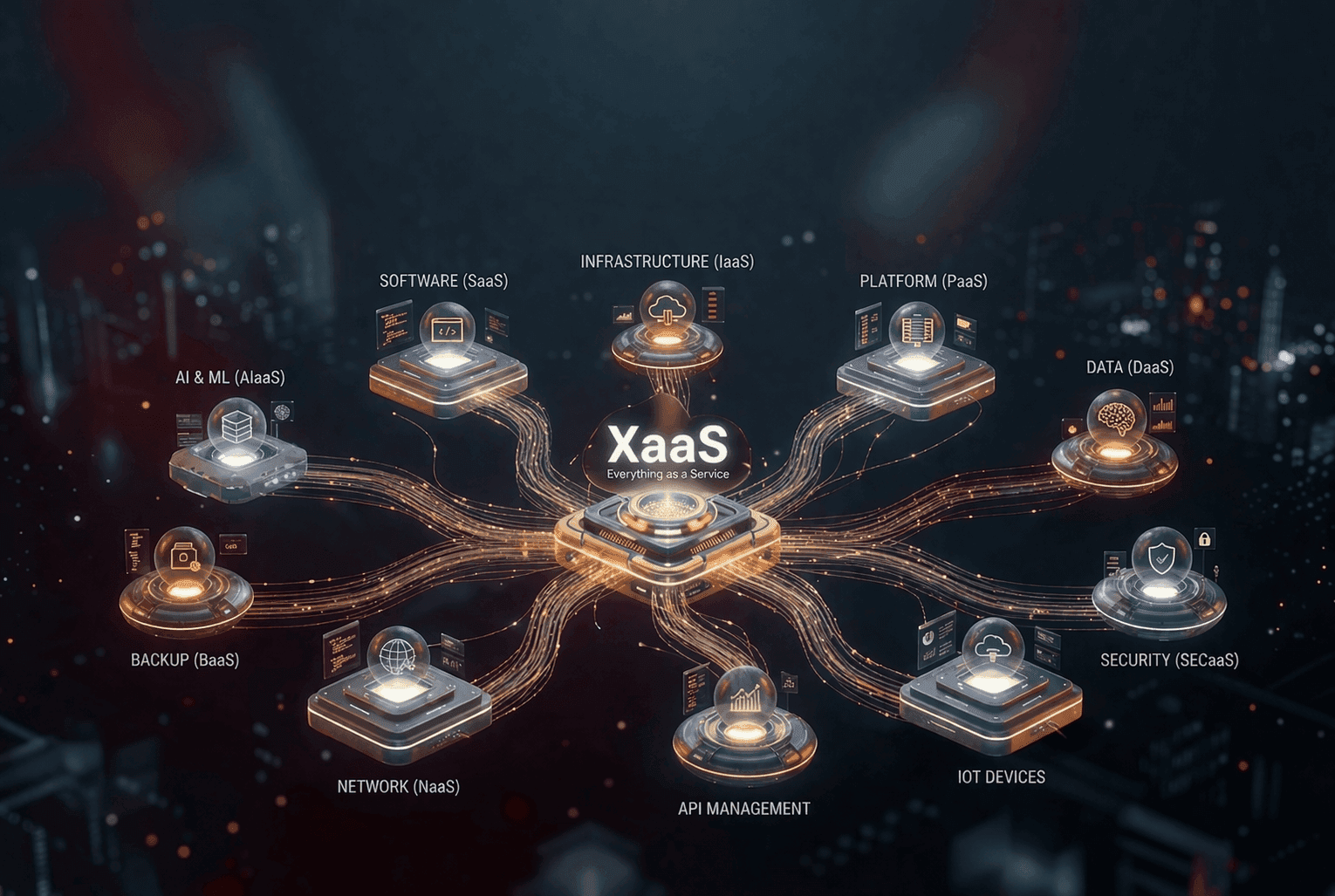
What is XaaS? The XaaS model gives organizations significant flexibility and cost advantages, and turns capital expenditure into operating expense for easier budgeting.
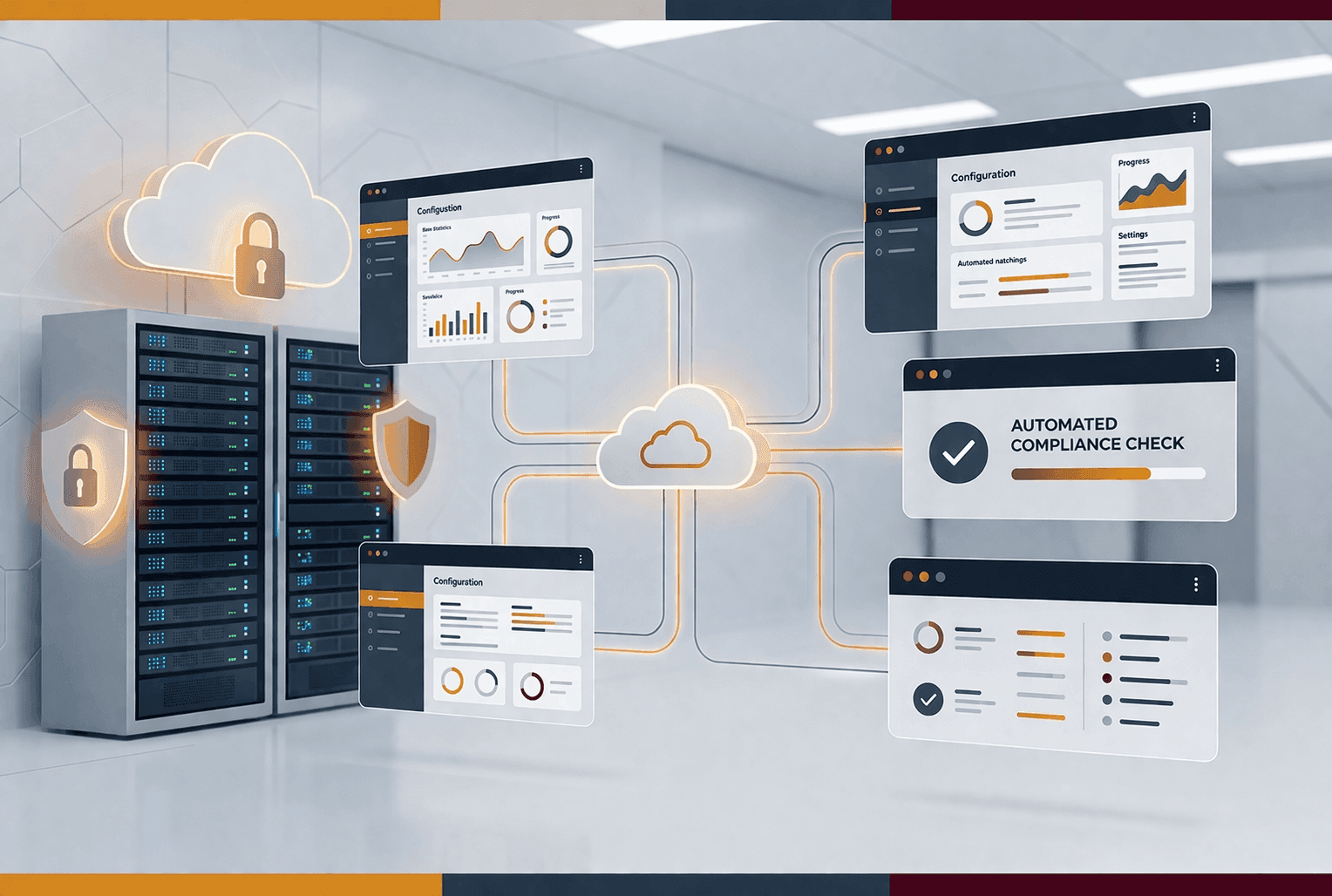
Cloud environments change fast, so misconfigurations, where systems drift from their defined secure baseline, become a serious risk. Here is how to manage them with automation.

The most critical aspect of the RAM crisis is how widely its impact spreads, because very different markets now share the same memory ecosystem and supply chain.