Cyber Security
Cybersecurity Guide for SMEs 2026
Which cyber threats will SMEs face in 2026? From ransomware to phishing, the Synchron Bilişim expert team explains step by step which measures you need to take.
- Author
- Synchron
- Category
- Cyber Security
- Published on
- Updated on
5 min read
"Who would bother attacking us? We are a small company." We have heard this sentence many times in cybersecurity meetings over the last few years. Unfortunately, it is exactly this mindset that makes SMEs a primary target of cyberattacks.
The reality is that attackers find it much easier to target vulnerable small and medium-sized businesses than to get past the strong firewalls of large companies. As of 2026, this threat has become even more complex. AI-supported attack tools are now much cheaper and more accessible, which significantly increases both the number and the sophistication of attacks.
In this article, we look at the main cyber threats SMEs face in 2026 and the concrete measures they need to take.
Why Are SMEs Targeted?
Unlike large organizations, most small and medium-sized businesses do not have a dedicated IT security team. Security software is either not installed at all or has not been updated for years. Employees have not been trained to recognize phishing attacks. Together, these factors make SMEs a low-risk, high-reward target for attackers.
In addition, if an SME is connected to a large company through its supply chain, attackers can use that connection to infiltrate corporate systems. In other words, being small does not make you invisible; it makes you more vulnerable.
The Main Cyber Threats in 2026
Ransomware attacks remain a current threat. Attackers encrypt your systems and block access to your files, then demand money to unlock them. For an SME, such an attack means not only financial loss but also lost customer trust and operational downtime.
Phishing emails are now much more convincing. AI-generated text, fake bank notifications and invoice emails are no longer easy to spot. Continuous employee awareness training on this topic is vital.
Supply chain attacks are also affecting SMEs more and more. When the security of a software product or service provider you use is compromised, you are indirectly exposed to the threat as well. For this reason, you need to assess not only your own systems but also the security standards of your business partners.
Insider threats are the most frequently overlooked risk category. An accidental click or an employee connecting to business systems from an insecure network can cause as much damage as an external attack.
6 Essential Measures SMEs Should Take
1. Firewall management: do not neglect it
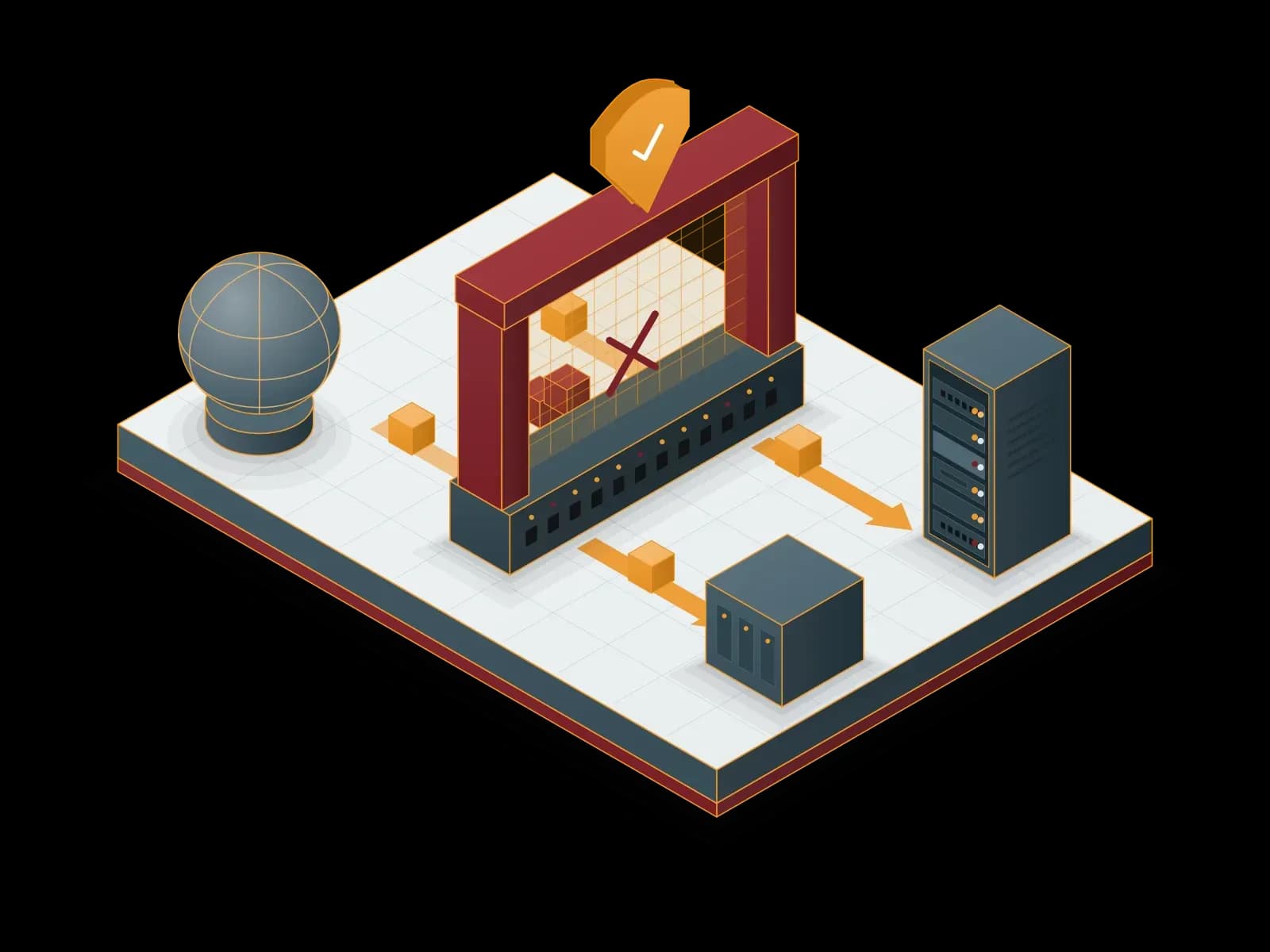
The firewall, which controls the traffic entering and leaving your network, is the foundational layer of cybersecurity. However, instead of being installed once and forgotten, it must be updated and managed regularly. A firewall with outdated rule sets is like a safe with its door left open.
2. Manage antivirus and antimalware solutions centrally
It is not enough to have antivirus installed on every device in your company; these solutions must be managed, updated and reported on from a central console. Notifying other systems immediately when a threat is detected on one device is the fastest way to stop it from spreading.
3. Create data loss prevention (DLP) policies
To prevent sensitive data such as customer information, financial data or contracts from leaving the company, DLP solutions play a critical role. Monitoring which data is moved, by whom and where creates a strong shield against both insider threats and accidental data leaks.
4. Bring mobile devices into your security scope
As remote work and hybrid models have become widespread, employees connecting personal or company-owned mobile devices to business systems has become unavoidable. MDM (Mobile Device Management) solutions let you manage these devices centrally, wipe them remotely when necessary and enforce security policies.
5. Have a penetration test carried out
Test yourself before an attacker does. Penetration tests use ethical hackers to uncover vulnerabilities in your systems. This lets you close those weaknesses before a real attack happens. These tests, which are recommended at least once a year, also clarify where your security investments should focus.
6. Monitor security events: SIEM and SOC
Not being able to see what is happening in your systems in real time is one of the biggest security risks. SIEM (Security Information and Event Management) solutions analyze all network traffic and system logs centrally to detect abnormal activity. With SOC (Security Operations Center) support, these alerts are monitored 24/7 and acted on when necessary. Instead of building this capability in-house, SMEs can get it at a much lower cost by outsourcing it as a managed service.
Cybersecurity Is an Investment, Not a Cost
Many SME owners see cybersecurity spending as a cost item. Yet when you take into account data recovery, reputation management, legal obligations and operational downtime, the damage from a single successful attack can far exceed the cost of proactive security investment.
In addition, under data protection legislation such as KVKK (Turkey's Personal Data Protection Law), businesses that fail to protect personal data face the risk of serious administrative sanctions.
Take Secure Steps with Synchron Bilişim
At Synchron Bilişim, we offer cybersecurity solutions that fit the needs and budgets of SMEs. We manage all your security processes on your behalf, from antivirus management to SIEM-SOC services and from DLP solutions to penetration tests, so your team can focus on its core work.
To assess your cybersecurity posture and decide where to start, you can request a free consultation with our expert team. Explore our cybersecurity services.
About the author
Synchron