Cyber Security
What You Need to Know About Zero-Day Viruses
As cyber threats keep evolving, antivirus software alone is no longer enough, especially against threats that target security vulnerabilities not yet discovered.
- Author
- Synchron
- Category
- Cyber Security
- Published on
- Updated on
5 min read

As cyber threats keep evolving, using antivirus software alone is no longer enough. Zero-day viruses, which target security vulnerabilities that have not yet been discovered, can catch organizations at their most vulnerable moments. For this reason, an effective antivirus management strategy is essential to protect systems proactively. In this article, we explain what zero-day threats are, why traditional antivirus solutions fall short and what modern protection looks like.
What Are Zero-Day Viruses? How Do They Differ from Traditional Threats?
In cybersecurity, the term "zero-day"refers to a vulnerability in software or a system that cyber attackers exploit before the developer or the security community has noticed it. Such vulnerabilities lose their "zero-day" status once they are disclosed or patched, but the damage they can cause in that short window is substantial.
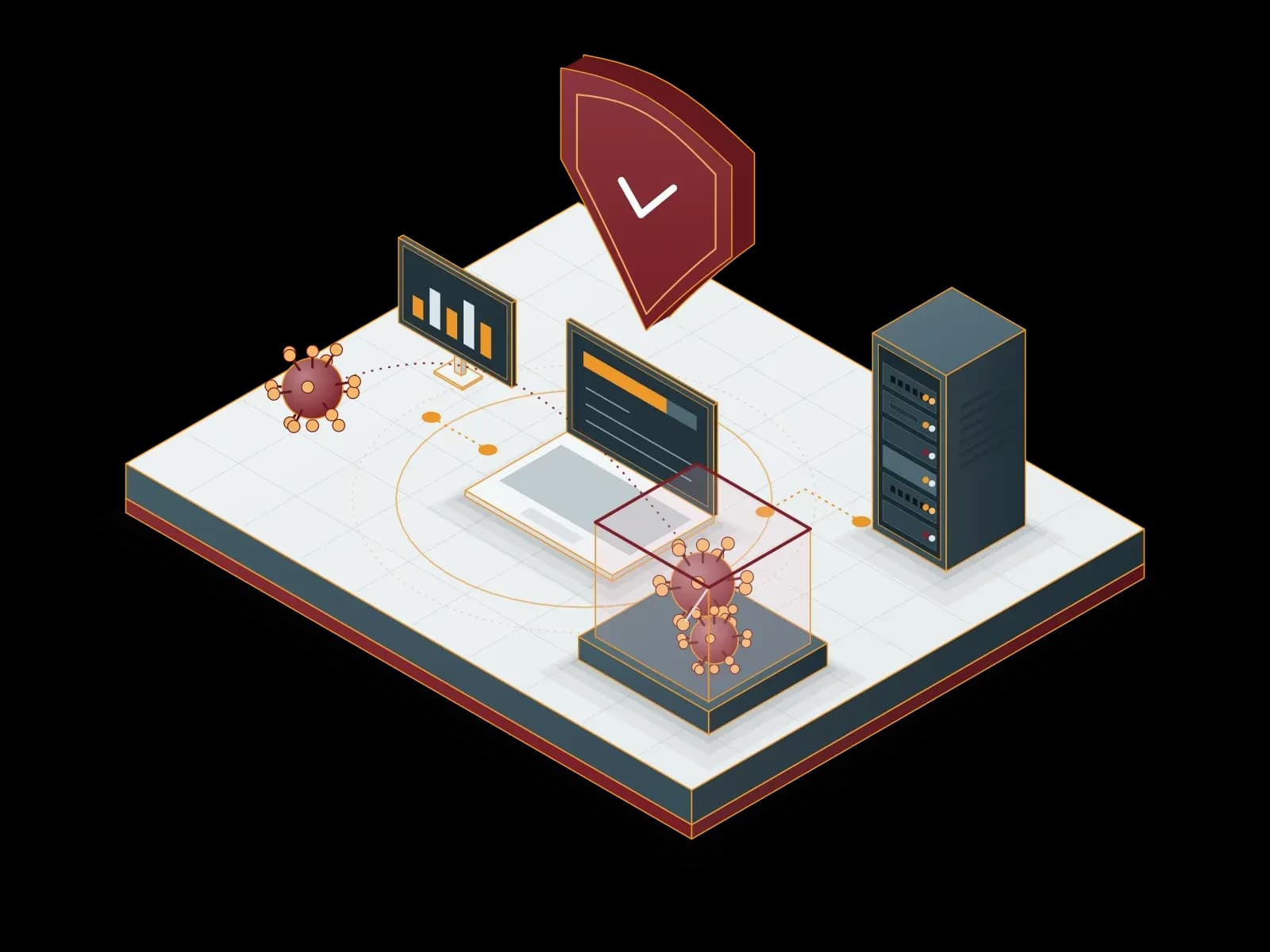
Zero-day viruses are malware that infiltrate systems by exploiting such vulnerabilities. Their main difference from traditional viruses is that they operate undetected. Most antivirus softwareis signature-based; in other words, it recognizes threats through databases of previously identified threats. Because zero-day viruses do not yet have a "signature", they can easily get past these filters.
For this reason, traditional antivirus solutions alone may not be enough against these attacks. Zero-day attacks usually spread through email attachments, fake updates or malicious links, and they can gain high-level privileges on target systems, causing data leaks or system crashes.
The Dangers of Zero-Day Attacks for Organizations
Zero-day attacks pose a major risk, especially in corporate environments, because they can often remain in a system unnoticed for a long time. This gives attackers more time and increases the impact. The targets are usually critical assets: customer data, financial information, internal correspondence and even production systems can be affected.
One of the biggest threats is a lack of cybersecurity awareness and inadequate antivirus management processes. If centralized antivirus solutions are not up to date, or if all devices are not monitored from a single management console, a zero-day virus can easily spread across the network. In companies that have moved to hybrid work in particular, personal devices joining corporate networks expand the attack surface.
Zero-day attacks can lead not only to financial losses but also to reputational damage and legal sanctions. In particular, failing to protect user data under regulations such as KVKK (Turkey's Personal Data Protection Law) and the GDPR can result in heavy fines.
Antivirus Management : Why Must It Be Adequate?
In the fight against zero-day attacks, a strong antivirus management infrastructure is an organization's first line of defense. However, an important distinction must be made: having antivirus software is not enough on its own; the software must be effectively managed, updated and monitored .
Today, many organizations buy antivirus licenses and then use these systems passively, relying only on automatic scans. Modern threats, however, can easily get past such simple measures. Because zero-day threats in particular are designed to bypass signature-based systems, organizations without a centralized antivirus management system are at high risk.
Key Elements of Effective Antivirus Management:
- Centralized Management Console:
Monitoring the antivirus status of all endpoints from a single point. - Automatic Updates:
When database updates are delayed, the system becomes exposed to zero-day viruses. - Real-Time Monitoring:
Tracking suspicious activity in real time can stop threats from spreading. - Incident Response Procedures:
When a threat is detected, it must be isolated and reported quickly.
In addition, you should build a layered security strategy that relies not only on antivirus but also on advanced solutions such as antimalware, EDR (Endpoint Detection and Response) and sandboxing .
Keep in mind that malware gets into systems not only through technical vulnerabilities but also through human error . For this reason, antivirus management must be addressed not only at the software level but also through user training and awareness .
Why Is It Important to Work with an Expert Security Partner?
Protecting against zero-day attacks requires going beyond an approach limited to traditional antivirus solutions. Because these threats exploit vulnerabilities that have not yet been discovered, signature-based systems often cannot detect them. This is where modern security approaches and proactive defense mechanisms come in.
Building a strong security structure against zero-day threats is not just about buying software. It involves many factors, such as expertise, continuous monitoring, technology integration and fast response in a crisis. Many organizations, however, find it hard to manage this operational workload in-house.
This is where handing over security processes to a specialist company is a major advantage.
What Does a Cybersecurity Partner Such as Synchron Bilişim Give You?
- Centralized antivirus management
: The protection status of all devices is monitored regularly, and updates and threat analyses are carried out centrally. - Zero-day tracking and threat intelligence
: Current attack methods are tracked, and preventive action is taken. - Integration of technologies such as EDR, antimalware and sandboxing
: Modern security solutions are brought together under one roof. - Cybersecurity consulting and user training
: Dedicated programs that raise employee awareness reduce human-related risks. - Incident response support
: When a threat occurs, rapid response and isolation are handled professionally.
Zero-day threats are one of the most serious cybersecurity tests modern businesses face. Trying to manage this risk with internal resources alone can be both slow and risky. To take your security a step further, working with an expert partner saves time and protects your data more effectively. Focus on your operations and leave your security to the experts. For more information, contact us.
About the author
Synchron