Cloud Technologies
Self-Hosted vs Cloud: Which Infrastructure Is Right for Your Business?
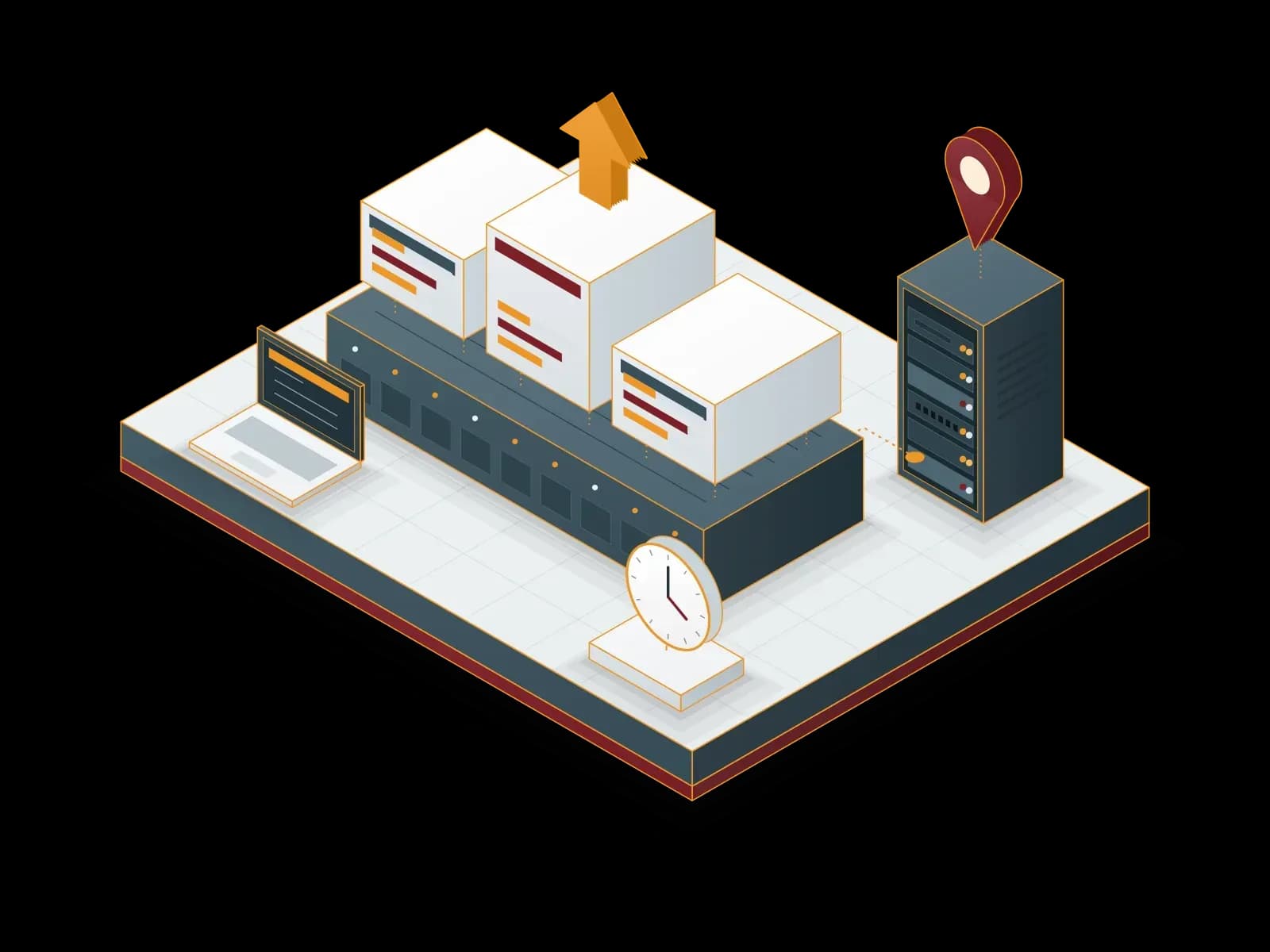
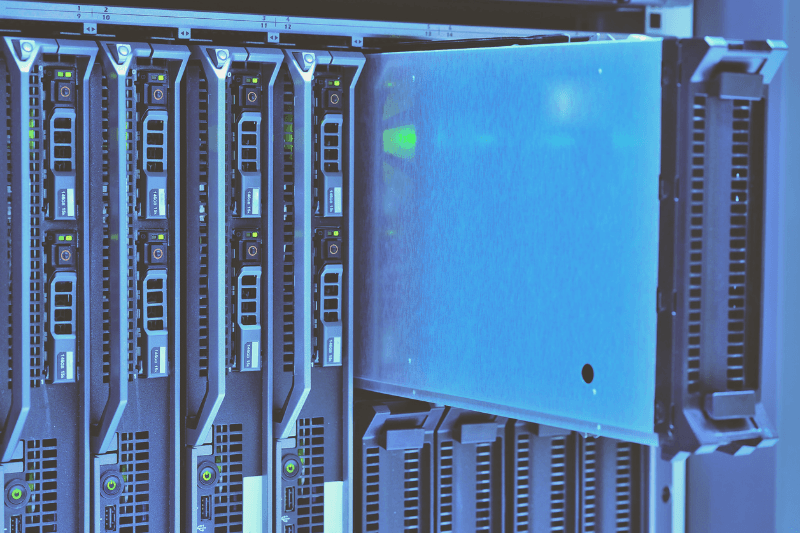
In self-hosted systems, the entire infrastructure sits physically within the business, which gives you full control, from server configuration to security settings.
- Author
- Synchron
- Category
- Cloud Technologies
- Published on
- Updated on
8 min read
One of the most critical decisions on a business's digital transformation journey is where and how its IT infrastructure will be hosted. Two main models stand out here:
- Self-hosted (on-premises infrastructure):
A setup in which the organization installs and manages the hardware and systems directly. - Cloud (cloud-based service):
A flexible, accessible setup in which the infrastructure is hosted in third-party providers' data centers.
Choosing between these two approaches is not just a technical decision; it is a strategic choice that affects many areas, from security to cost and from scalability to data control. In this article, we compare both models under 5 main headings and assess which one may be the better fit for your business.
Control and Customization
How much control you want over your digital infrastructure is a decisive factor in which model you choose.
Self-Hosted: Full Control, High Responsibility
In self-hosted systems, the entire infrastructure sits physically within the business. This gives you full control. Every element, from server configuration to security settings and from backup methods to data access policies, is managed directly by your IT team.
This model is preferred especially in the following scenarios:
- Sectors that require maximum control over data (for example, healthcare, finance, law)
- Needs for in-house software, licensed solutions and detailed customization
- Cases where legal or sector-specific regulations require physical infrastructure
But this control also brings a big responsibility: maintenance, security, disaster recovery and system continuity rest entirely on the organization's shoulders.
Cloud: Standardized Infrastructure, Fast Adoption
Cloud services, on the other hand, offer more structured infrastructure that is managed by the service provider. Customization options are limited to certain boundaries. But these limits come with significant conveniences:
- Fast setup
- Automatic updates
- Continuous support and high availability
Cloud solutions are sufficient for standard applications and general use cases. They are ideal especially for businesses that are growing, decentralized or outsource their technical infrastructure.
Cost Structure
Besides technical requirements, the total cost of ownership (TCO) is a critical factor in choosing your digital infrastructure. Self-hosted and cloud models differ significantly not only in initial investment but also in long-term operating costs.
Self-Hosted: High Upfront Cost, Fixed Expenses
A self-hosted setup involves hardware purchases, license fees, network infrastructure and physical hosting costs. In addition:
- System installation and integration costs
- Power, cooling and data center management costs
- Salaries and training budget for IT staff
- Outsourced support for maintenance and emergency response
In this model, the initial investment is usually high, but with proper planning you can build a fixed, predictable cost structure over the long term. This setup can be advantageous for large-scale, long-term projects in particular.
Cloud: Low Upfront Cost, Flexible and Scalable Expenses
Cloud services usually work on a "pay as you go" model. In other words, you pay for as many resources as you consume. As a result:
- You can start quickly without investing in hardware
- Monthly or annual subscription models make budget planning easier
- The setup is flexible for short-term projects or seasonal peaks
- Resources can be adjusted instantly as you grow or shrink
However, there is one point to watch: if resource usage is not well managed, cloud services can cost more than expected over the long term. Regular cost tracking and limit policies are therefore important.
Security and Data Control
Two of the topics that get the most attention when choosing infrastructure are data security and the level of control. For businesses that work with sensitive or regulated data in particular, this topic is at the center of the decision.
Self-Hosted: Physical Control, Organizational Responsibility
In self-hosted setups, all data is kept in the organization's own physical environment. This gives businesses full control over where, how and by whom data is processed.
The advantages are:
- The physical location of the data is known; it is not transferred to external parties.
- Internal security policies, backup strategies and access controls can be fully customized.
- It is ideal for sectors where the law requires data to be hosted in the country (for example, the public sector, finance and healthcare).
But this freedom brings serious responsibility. Firewalls, intrusion prevention systems, user access policies and disaster recovery scenarios are all the organization's responsibility. Any vulnerability can directly put the business's reputation and customer data at risk.
Cloud: Strong Infrastructure, Shared Responsibility
Cloud services usually run in data centers that hold international certifications and meet high security standards. Cloud providers automatically offer many advanced security practices, such as:
- Data encryption
- Backup and disaster recovery infrastructure
- Continuous security updates
- 24/7 monitoring and threat detection systems
and more.
However, data control can be limited here. With multinational providers in particular, questions such as which country the data is stored in and who holds the access logs can become unclear. In some sectors, this is considered a risk factor.
Accessibility and Flexibility
In modern business, access from any place at any time has become a critical need for both operational efficiency and the employee experience. Likewise, infrastructure that can grow and shrink quickly with your needs gives you a competitive advantage. Under this heading, clear differences emerge between self-hosted and cloud solutions.
Self-Hosted: Physical Limits, Manual Scaling
Self-hosted infrastructure usually runs in on-site data centers or on local servers. Remote access to these systems requires extra configuration and security measures. Without technical arrangements such as VPN setups, remote desktop solutions or port forwarding, the systems may not be accessible from outside.
Scaling is also manual and time-consuming. To increase system capacity:
- You need to invest in new hardware
- You need to expand software licenses
- You need to plan for resources such as physical space, power and cooling
This can cost significant time and money during growth.
Cloud: Instant Access, Dynamic Scalability
Cloud infrastructure gives you access from anywhere with an internet connection. Whether you are in the office, in the field or at home, email, applications, files and server management consoles are always within reach. This setup is especially convenient for scenarios such as:
- Remote work
- Multi-site organizations
- Mobile operations.
In the cloud, you can also add or remove resources with a few clicks. When your traffic grows, you can flexibly scale up components such as CPU, RAM and disk; in quiet periods, you can save money by using minimal resources. In short:
- If you need uninterrupted access
and a dynamic setup
, the cloud model is a much better fit. - But if physical control over your infrastructure is the priority, the self-hosted model may be the right choice for you.
Maintenance and Management Workload
Choosing infrastructure is not only about the initial setup; it also covers operational work such as managing systems sustainably, keeping them secure and responding quickly to outages. When you decide, you must therefore consider the daily workload it will place on your IT team.
Self-Hosted: Full Responsibility, Constant Intervention
In self-hosted systems, the organization's own IT team manages everything. This brings the following responsibilities:
- Detecting and fixing hardware failures
- Manually tracking and applying software updates
- Regularly checking for security vulnerabilities
- Planning and testing disaster recovery scenarios
- Performance optimization and system monitoring
This kind of setup requires an expert IT team and the technical capacity to dedicate time to it. If resources are limited, system continuity can be at risk.
Cloud: Managed Service, Reduced Operational Load
With cloud services, the provider manages most of the infrastructure. Core tasks such as hardware maintenance, software patching and data center security are included in the service. The user only:
- Configures settings at their own application level
- Monitors resource usage
- Requests technical support in critical situations
This setup is a big advantage, especially for businesses with a small technical team. IT teams can focus more on strategic work instead of losing time on infrastructure operations.
When you decide, ask yourself: Do you have the technical capacity to run these operations in-house, or do you need an outsourced, automated setup?
Choosing the Right Infrastructure with Synchron Bilişim
Whether you prefer a traditional setup running in your own data center or want to benefit from the speed, flexibility and accessibility of cloud technologies, choosing infrastructure is a critical decision for business continuity and security. Synchron Bilişim analyzes your business's needs, recommends the most suitable setup and plans and manages the entire process end to end.
If your organization needs a self-hosted setup, we provide technical support for installing, configuring and sustainably managing the systems. If your business is moving to the cloud, we offer consulting focused on infrastructure optimization, data security and performance improvement. If you prefer a hybrid infrastructure, we provide project design and management support so that both environments work together securely and efficiently.
We also design your infrastructure security, backup strategies, performance monitoring solutions and recovery plans for potential disaster scenarios in an integrated way under one roof. Throughout all these processes, our experienced engineers and 24/7 technical support team are by your side.
If you want to design your infrastructure for the needs of tomorrow, not just today, let's plan it together. Synchron Bilişim is your reliable solution partner for putting your digital infrastructure on solid foundations. For detailed information, simply contact us.
About the author
Synchron