Knowledge
Using a VPN? The High Cost of Skipping MFA
MFA (multi-factor authentication) adds a layer of protection on top of your passwords. That extra layer keeps you from being exposed to a critical security gap.
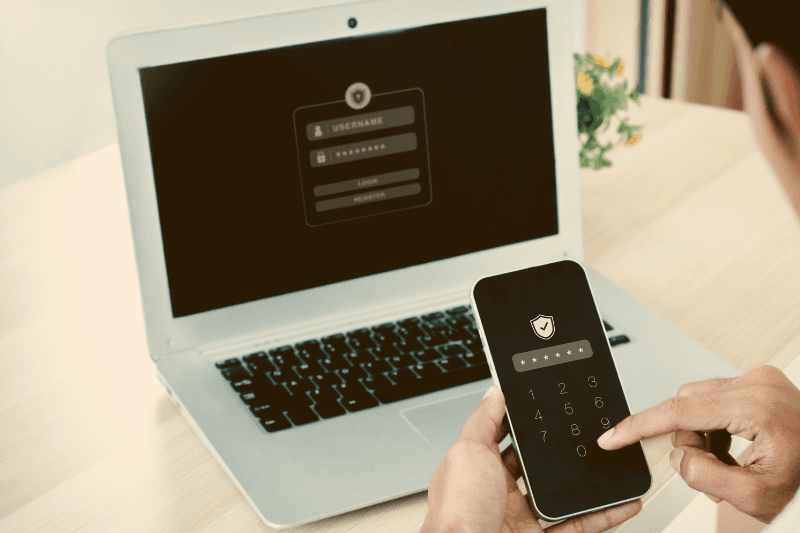
Cybersecurity threats are becoming more complex, and every day more companies turn to solutions such as a VPN (Virtual Private Network) to protect their employees and sensitive data. A VPN encrypts data traffic over the internet to provide a secure connection and helps companies build a network that is closed to the outside world. However, using a VPN alone is not enough. If you do not reinforce this strong defense with MFA (multi-factor authentication), you can expose your company to serious security risks.
MFA adds an extra layer of security to verify a user's identity and steps in where passwords fall short. Today, cybercriminals use more complex, multi-pronged attack techniques to steal user credentials. As a result, VPN access protected only by simple passwords can be vulnerable to these attacks. Without MFA, the door that protects your data becomes an obstacle that attackers can easily get past.
MFA (multi-factor authentication) adds a layer of protection on top of your passwords. This method of protection keeps you from being exposed to a critical security gap.
Problems You Can Face Without MFA
1. An Open Door to Cyberattacks
VPNs encrypt data traffic over the internet so that users can establish a secure connection. However, if these connections are protected only by a username and password, they are not secure enough. Cybercriminals can easily get past this defense with methods such as brute-force attacks, password guessing or data leaks. The additional verification step of MFA significantly reduces the success rate of such attacks. If you do not use MFA, you become an easy target for cybercriminals.
2. Data Breaches and Reputational Damage
When a VPN account is compromised, attackers can gain access to the corporate network, which means critical data can be stolen. Important customer information, trade secrets and other sensitive data can be leaked. This seriously damages your company's reputation and leads to a loss of trust. Without MFA, these risks increase the chances that cyberattackers succeed. In today's business world, reputation is worth more than money, and once lost, it is almost impossible to regain.
3. Financial Losses and Legal Consequences
After a data breach, companies lose not only their reputation but also financial resources. Security vulnerabilities can lead to fines and compensation claims. Data protection regulations such as the GDPR and KVKK (Turkey's Personal Data Protection Law) impose heavy fines for data breaches. In addition, companies that fail to protect customer data may face long legal proceedings and high costs. MFA is an effective way to prevent these financial losses.
4. Weak Defense Against Phishing
Phishing attacks are a common way to trick users into handing over their passwords and personal information. These attacks are more successful in scenarios where MFA is not enabled, because systems that authenticate with only a username and password make it easier for attackers to reach their goals. Because MFA requires an additional verification step, it reduces the impact of phishing attempts and protects users.
5. Making It Easier for Attackers to Get Inside
Companies that use VPNs often offer remote work, which means company data is accessed over a wider network. If MFA is not in use and an employee's credentials are stolen, attackers can easily get into the network and launch an attack from the inside. Threats such as ransomware spread more easily, and the damage grows larger.
Examples of the High Cost of Neglecting MFA
The Twitter Attack
The Twitter attack of 2020, which shook the technology world, showed in striking terms why MFA (multi-factor authentication) matters. As remote work spread during the pandemic, Twitter, like many companies, gave its employees access to its systems over a VPN. However, this access was not adequately protected with MFA, and the consequences were serious.
The attackers obtained the VPN credentials of several Twitter employees and gained access to the company's internal tools. They then used famous, high-profile accounts to post fake Bitcoin scam messages. As a result, Twitter suffered reputational and financial damage, and the incident drew worldwide attention.
This attack clearly showed how important MFA is for cybersecurity. Skipping a simple security step creates big opportunities for cyberattackers, while using MFA can stop such threats and significantly improve system security.
The Capital One Data Breach
Another notable example is the 2019 Capital One data breach. The incident revealed a major security breach that a financial services giant suffered because of missing MFA and weak cloud security.
Capital One hosted customer information on Amazon Web Services (AWS) cloud servers. However, an attacker exploited a misconfigured firewall and the lack of MFA to gain unauthorized access to these servers. As a result of the attack, the personal information, credit card applications and social security numbers of approximately 106 million customers in the US and Canada were leaked.
The incident not only caused Capital One serious reputational damage, it also resulted in regulatory fines and customer settlements that cost the company more than 80 million dollars. This breach showed how serious the consequences can be when missing MFA and misconfigured security controls come together.
Incidents like these show once again why MFA and proper cybersecurity measures are mandatory and why a strong line of defense matters.
Information Security Certifications and the MFA Requirement
Information security certifications frequently emphasize the use of strong authentication methods such as MFA (multi-factor authentication) as a requirement of cybersecurity standards. For example, internationally recognized information security standards such as ISO 27001 and the NIST (National Institute of Standards and Technology) Cybersecurity Framework recommend implementing multi-factor authentication and secure authentication methods for access to sensitive systems.
As part of these standards, MFA makes systems more secure against both internal and external threats. In sectors such as finance, healthcare and public services in particular, these certifications become mandatory, and additional security layers such as MFA are considered a critical part of certification and compliance processes. These requirements aim to protect the sensitive data of both users and organizations and to minimize the risk of data breaches.
Today, payment card industry certifications such as PCI-DSS (Payment Card Industry Data Security Standard) also encourage the use of MFA to prevent unauthorized access to payment systems and customer information. These certifications require organizations to protect their customers' personal and financial information and to add an extra layer of protection against potential cyberattacks. MFA is so important as a security requirement in certification processes because this simple measure greatly reduces the success rate of cyberattacks.
For organizations that aim for information security certification or follow these standards, implementing MFA is therefore a vital step, not only for compliance but also to build a security culture and strengthen user trust.
Let's Improve Your Security with MFA
What happened to Twitter and Capital One clearly shows why MFA is a critical component of cybersecurity strategies. In today's world, using a VPN alone is not enough; systems that are not backed by additional security layers become targets for attackers. MFA protects user identities with an additional verification step, so stolen or leaked passwords cannot become a threat on their own.
Companies must implement effective solutions such as MFA to protect themselves from data breaches, reputational damage and financial losses. MFA may look like a simple step, but it makes it much harder for attackers to access systems and reduces the impact of potential threats.
At Synchron, through our technology and cybersecurity services, we offer solutions that integrate MFA and other strong authentication methods to give you the highest level of security. If you want to improve your company's security and build a stronger line of defense against cyber threats, it is vital to include MFA in your cybersecurity strategy. We want to stress that you should treat security as a necessity, not an option, so you can move into the future with confidence. If you would like detailed information on this topic, we will be happy to contact you and explain.
About the author
Synchron