Artificial Intelligence
AI-Cloned Voices: How to Protect Your Company Against Deepfake Fraud
Deepfake fraud uses AI-cloned voices and video to exploit employees' trust. Learn how these attacks work and 5 measures that protect your organization.
- Author
- İrem
- Category
- Artificial Intelligence
- Published on
- Updated on
5 min read
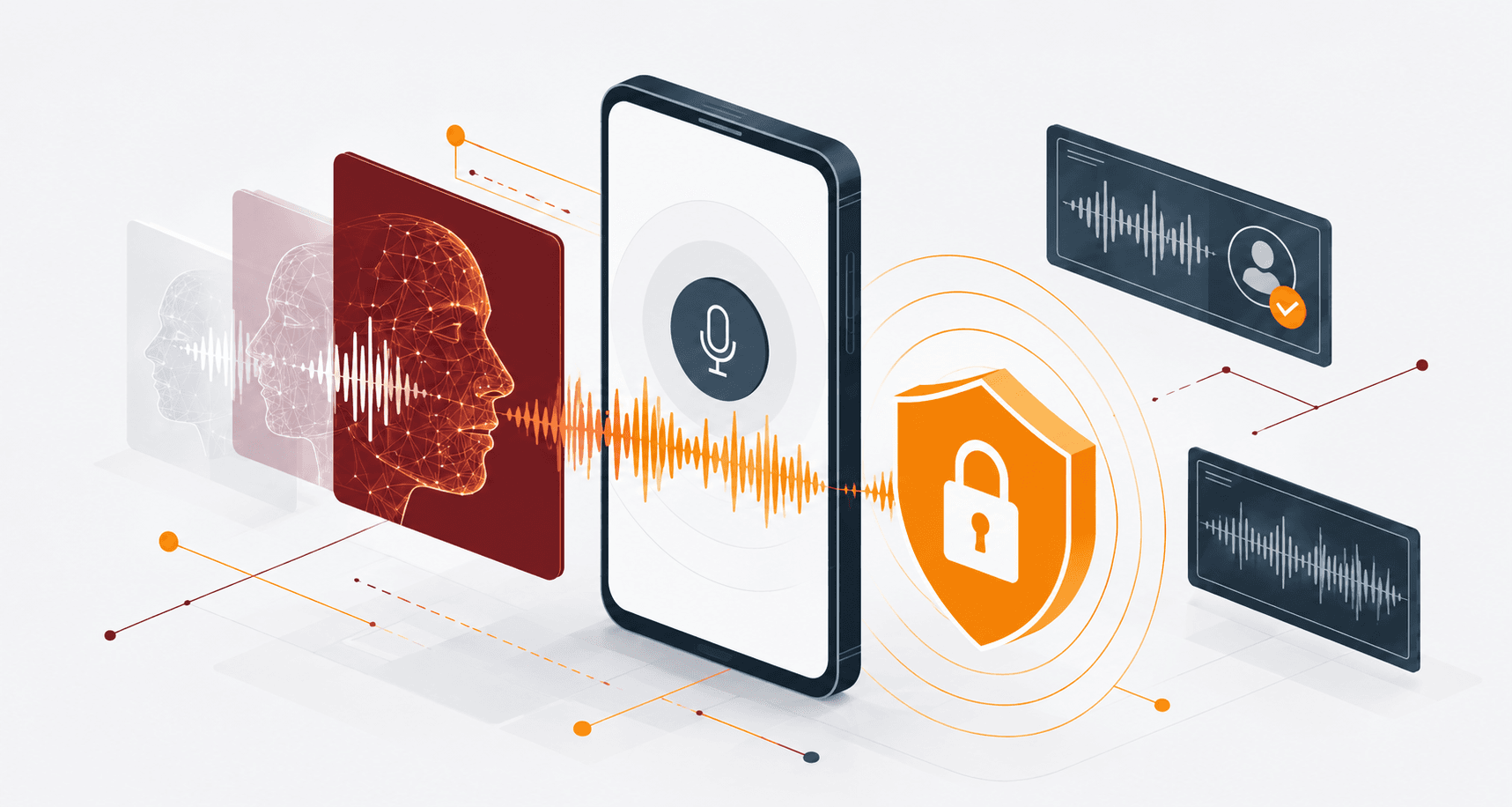
Your accounting manager's phone rings. The caller is the general manager, instantly recognizable by voice: the tone, the rhythm of speech, even that familiar sense of urgency are all there. There is a critical supplier payment, and the wire transfer has to go out within minutes. The instruction is clear, the voice is familiar and the urgency feels real. There is just one problem: the person on the other end of the line is not your general manager. In fact, it is not even a person.
As of 2026, AI-generated voice and video clones have become one of the most dangerous tools of corporate fraud. Unlike classic phishing emails, these attacks directly exploit the trust employees place in "a familiar voice or face". This leaves the traditional security training of recent years largely insufficient. So how exactly does this new generation of threat work, and how can you protect your organization against it?
What Is Deepfake Fraud?
Deepfakes are fake content produced by AI that convincingly imitates a real person's voice, face or video. Voice cloning technology has matured so much that just a few seconds of recording taken from an executive's public webinar, promotional video or short voice message are enough to produce a convincing voice copy.
In business, this technology is used especially in executive impersonation (CEO fraud) attacks. The attacker calls an employee in the finance or accounting team and, in the voice of a senior executive, requests an urgent wire transfer, a confidential purchase or the sharing of sensitive data. When urgency and authority come together, the employee's reflex to question the instruction weakens.
The threat is not limited to voice. Deepfake video attacks with several "fake participants" in video meetings are no longer a theoretical scenario. When employees see several colleagues they know on screen, they do not doubt that the instruction is genuine, yet the only real person in the meeting may be the victim.
The Numbers Show the Scale of the Threat
A few data points are enough to show how fast deepfake fraud is growing. In one of the most striking known cases, an employee at the Hong Kong office of an international engineering firm transferred about 25.6 million dollars on the instructions of deepfake participants who appeared to be the finance director and other colleagues in a video meeting. All of the "colleagues" in the meeting were AI-generated.
The trend is not limited to a single case. Reports say that voice-based (vishing) attacks increased at four-digit rates in the first quarter of 2025 compared with the previous period, and that losses from AI-assisted fraud reached billion-dollar levels in the US alone in 2025. Industry forecasts indicate that, without countermeasures, these losses will multiply over the next few years.
The most critical finding is this: people are extremely poor at reliably identifying deepfake content. Studies show that the rate at which people correctly detect high-quality fake voices and videos by eye and ear stays very low. In short, the "I would notice" approach is not a security strategy in today's threat landscape. Defense must rely on process and technology, not on human intuition.
How Do You Protect Your Organization Against Deepfake Attacks?
The good news is this: however technically advanced deepfake attacks become, their goals do not change: money transfers, data exfiltration or gaining privileges. You can close the paths to these goals with the right processes. Here are five essential steps to strengthen your organization:
1. Set Up a Multi-Channel Verification Protocol
No critical instruction should be acted on based on information from a single channel. When a voice or video request comes in, a second verification step should be mandatory, such as employees calling the executive back on a known, pre-registered number or getting confirmation through a corporate messaging channel. Using a pre-agreed "verification passphrase" is also a simple but effective method.
2. Require Dual Approval for Payments and Instructions
All wire transfers and payment instructions above a set amount should require the approval of at least two authorized people, not the initiative of a single person. This rule makes it impossible for an attacker to complete the process by persuading a single employee. It is critical not to relax this rule, even when the pressure of urgency is at its highest.
3. Keep Employee Awareness Up to Date
Classic phishing training is no longer enough. Your teams need to know that voices and video can also be faked. The awareness that "a familiar voice is not always trustworthy" should be reinforced with regular, scenario-based training. High-risk roles such as finance, accounting, human resources and executive assistants should be trained first.
4. Strengthen Your Technical Layers
Deepfake attacks often start with an email account takeover or identity theft. For this reason, email authentication protocols (SPF, DKIM, DMARC), multi-factor authentication (MFA), endpoint detection and response (EDR) and identity and access management solutions make the first step of the attack harder from the very beginning.
5. Test Your Incident Response Plan with These Scenarios
Define in advance who is informed, how a transfer is stopped and how the incident is reported when a deepfake attack occurs. Add deepfake scenarios to your tabletop exercises to measure your team's reflexes before a real incident happens.
Conclusion: Deepfakes Are as Much a Trust Problem as a Technology Problem
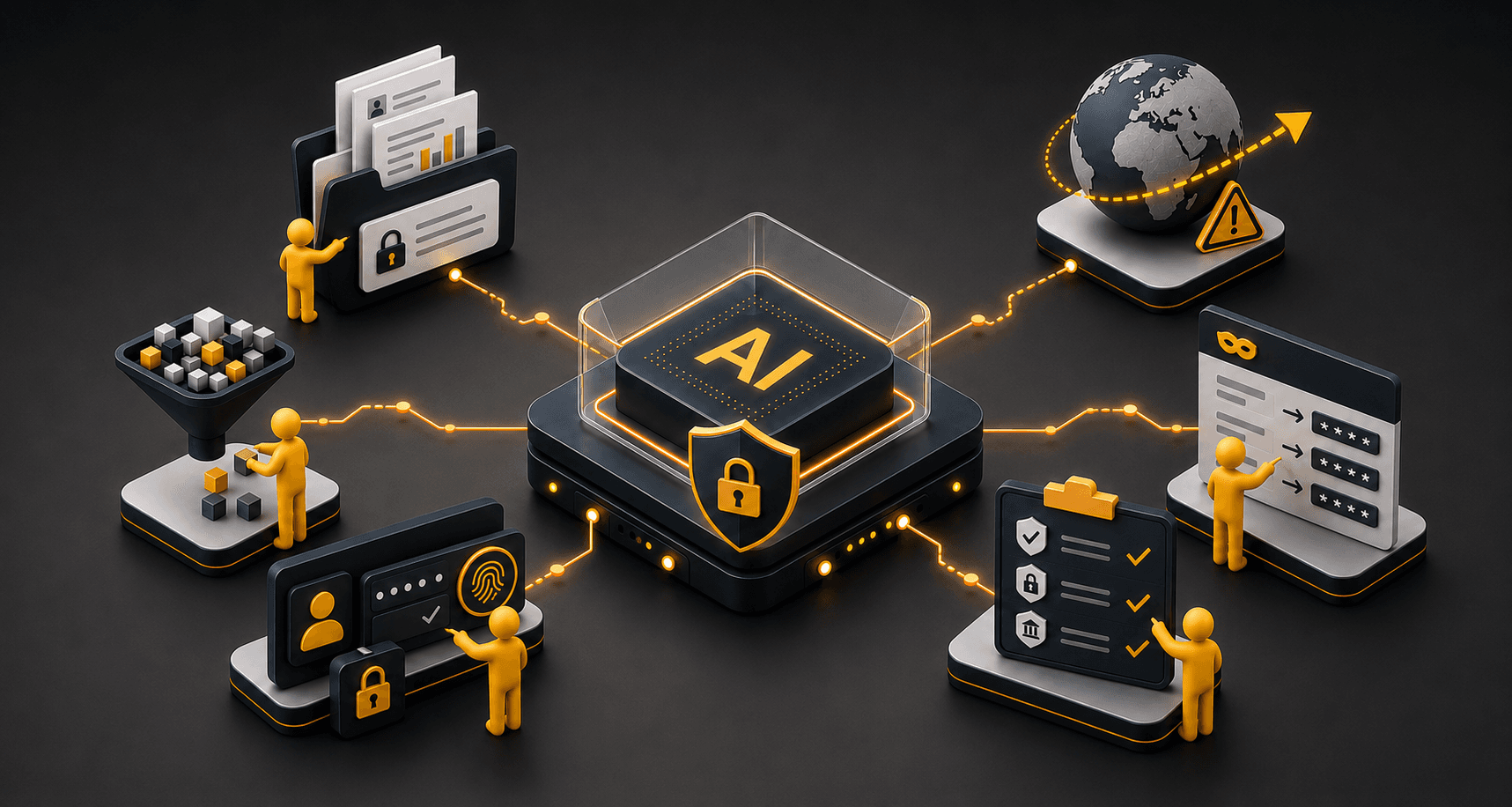
Deepfake fraud signals a new era in which attackers target not your code but your employees' trust directly. The strongest defense against this threat comes from combining verification protocols, multi-layered technical measures and a continuously updated culture of awareness.
At Synchron Bilişim, we protect your organization against next-generation social engineering and AI-assisted threats with a multi-layered defense approach. From email security to authentication and from employee awareness programs to incident response processes, we support you at every step you need. Contact us to assess your organization's readiness for deepfake threats together.
About the author
İrem